













Government insists there is no chance of blackouts but experts criticize lack of long-range planning
Energy Minister Inés Manzano said Friday there will be no power blackouts through early 2026. “Our hydroelectric facilities are fully operational due to the heavy rainfall throughout the year and we foresee no problem next year,” she said.
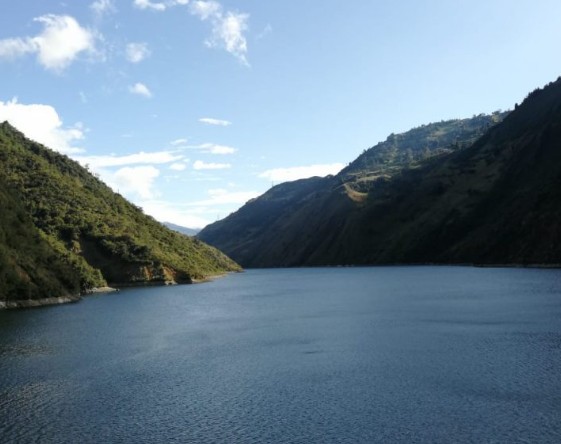
The government says the Mazar reservoir, which powers three electric generation plants east of Cuenca, is at 94% capacity.
At a press conference, Manzano presented charts showing that the Mazar reservoir east of Cuenca was at 94% capacity while the flowrate of the Coca River that powers the Coca Coda Sinclair hydro plant in Napo Province is above the seasonal average.
“I can assure you that there will be no power disruptions through Christmas and the New Year,” she said.
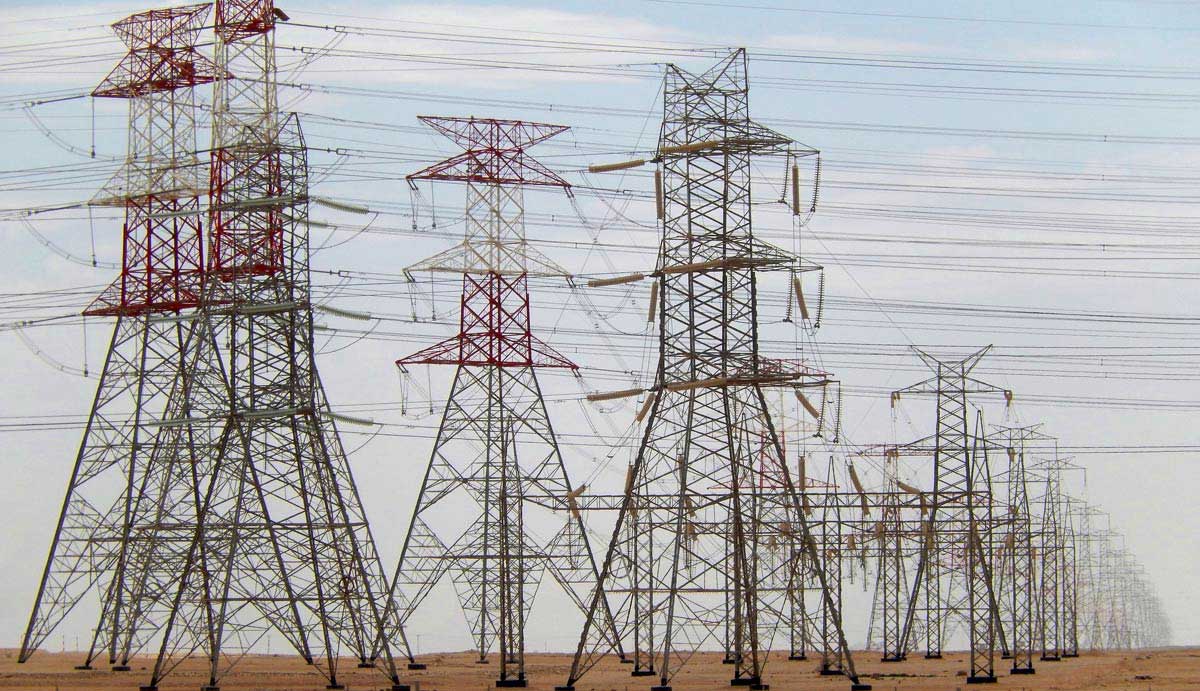
Manzano’s defense of the power system follows criticism of the government’s lack of action to increase capacity since the 2024 blackouts. The College of Electrical Engineers as well as individual experts claim electric generation capacity has not kept up with usage, much less added the additional megawatts the government promised.
“It is true that we will probably not experience blackouts in the short term, at least until July or August of next year, but the system is even more vulnerable to drought than it was a year ago,” says Jefferson Suarez, a former consultant to the Ecuador Electric Corporation (Celec). “The government is taking advantage of high rate of rainfall, but this won’t last.”
Suarez, a former National Assembly member, says he worries more about the lack of planning for the future than he does about short-term solutions. “We have no choice but to react to power emergencies, but we should be working toward solutions five, ten and twenty years into the future. Now is the time to develop and begin to fund the projects that will require years to be completed.”
Suarez claims the government of President Daniel Noboa is following the pattern established in the last two years of the Rafael Correa presidency, following the collapse of oil prices. “It isn’t just the power system that has suffered from a strategy of reacting to the immediate crisis, of putting out fires, instead of establishing plans to avoid crises in the future,” he says. “The crisis with the electric grid is the same as other infrastructure problems the country faces. We see it in the deterioration of the highways, in the schools and in hospitals.”
He adds: “Obviously, we need a new strategy.”