











Heavy rain repowers Coca Codo Sinclair hydro as plants at Mazar reduce production
Heavy rain boosted the flow of the Rio Coca Wednesday, doubling electric generation at Coca Codo Sinclair, the country’s largest hydroelectric plant. The story was different at the three plants at the Paute-Mazar complex to the south, where the low flow of the Rio Paute forced a shutdown of all generation.
Energy experts worry that Ecuador’s energy system will experience the impact of El Niño through February 2027.
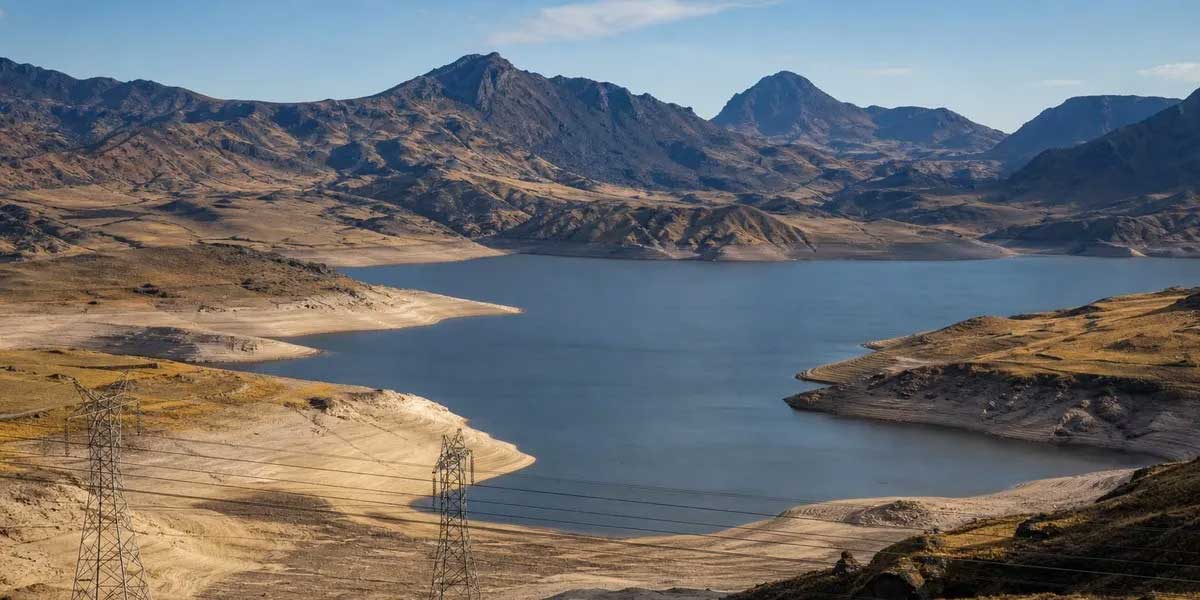
At one point Wednesday morning, the Mazar reservoir dropped into what engineers call the “red zone,” the point at which the National Electric Corporation (CNEL) orders local utility companies to prepare blackout schedules.
Rains in the Rio Coca catchment area briefly boosted the river’s flow from 150 meters per second to 715, allowing Coca Coda to increase generation from 700 megawatts to 1257.
A CNEL spokesman called the rise of the Rio Coca and added generation at Coca Codo “wonderful news,” adding that it reduced pressure on the generators at the Mazar reservoir. “This provides needed relief for the hydroelectric system,” he said. “The forecast is for light rain in the Azuay and Cañar region, and this would allow increased production at Mazar. We remain hopeful.”
On Thursday morning, the flow of the Rio Coca flow had dropped back to 654 meters per second. At Mazar, the Molino, Mazar and Sopladora hydro plants were idle due to the low water level. The Minas San Francisco and Agoyàn hydro plants were also affected by low water, which restricted generation to 20% to 40% of capacity.
Independent energy experts continue to push the government to re-evaluate its strategy of applying blackouts to large businesses but not the general public.
Fabián Jami, president of the independent Energy Efficiency Commission, worries the policy is not only unfair to business but is giving the public a “false impression” that the crisis is under control. “The government should be aggressively promoting electricity savings among citizens, but this isn’t happening,” he said, adding that the practice of denying blackouts and calling them maintenance operations instead is not only misleading but “dishonest.”
Jami claims the government is using industry as a “safety valve” to control energy shortages. “Besides the 75-hour-a-week disconnections they are subject to, the distributors are adding unscheduled disconnections to avoid blackouts, and these are adding extra hours of idle time for many businesses,” he says.
“I hope I am wrong, but I think we will have general blackouts within five weeks if there are no change in policy,” Jami said. “What is especially concerning is that the energy system will experience the impact of El Niño through February of next year and maybe longer and I don’t see the planning for this.”