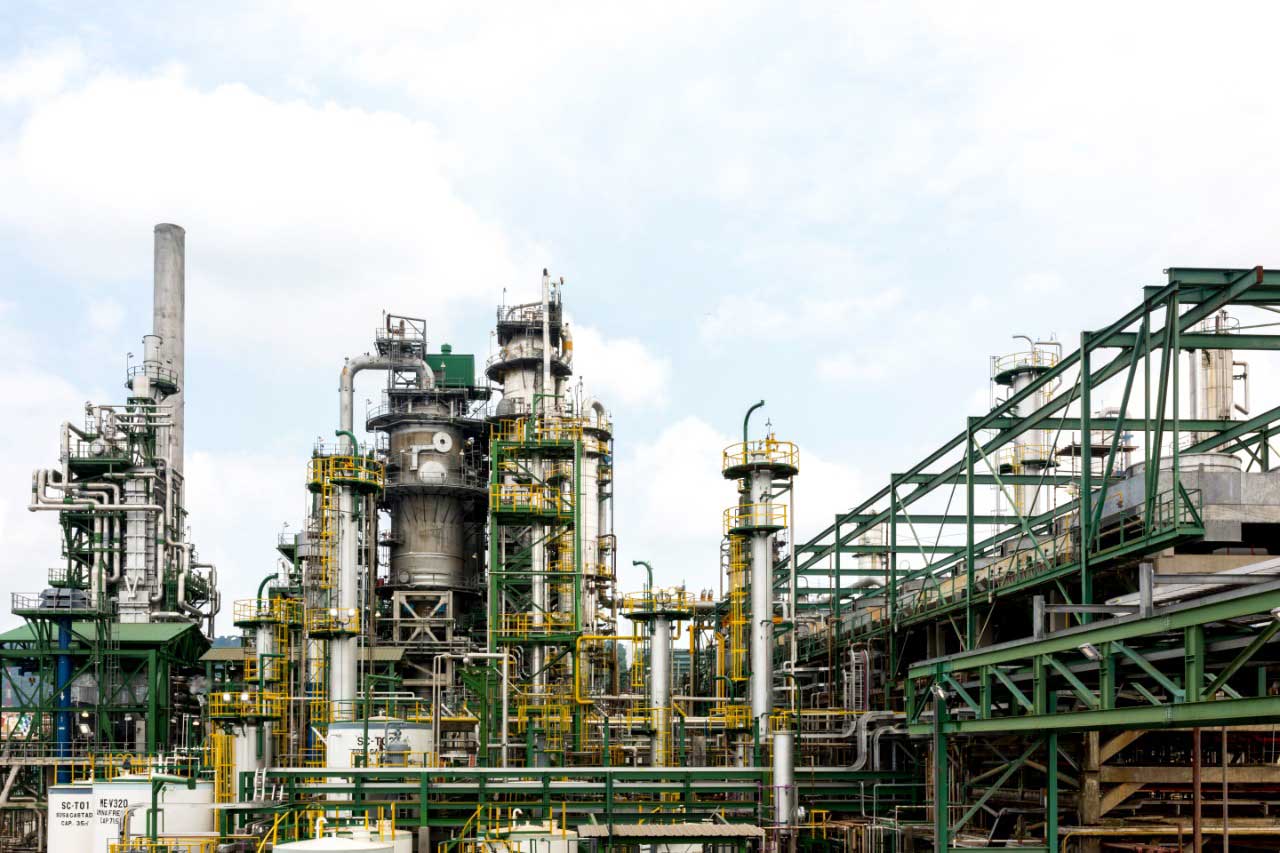














Rainy season has affected more than 21,000 as states of emergency remain in force in eight provinces
Although it’s only getting started, Ecuador’s rainy season has left 21,089 people seriously affected since early January, with three deaths and 14 injured, according to the latest assessment by the National Secretariat for Risk Management (SNGR).
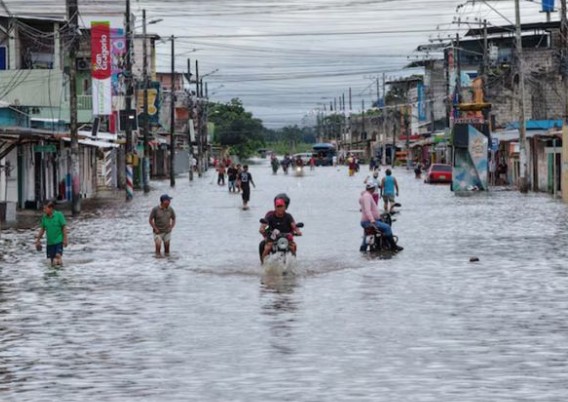
Coastal communities have experienced the heaviest rainfall although flooding has occurred throughout the country.
Authorities said rainfall has damaged 784.3 hectares of crops, 21.6 kilometres of roads, and 13 bridges, as well as 82 public assets and 60 private properties. The report adds that 11 bridges have been destroyed.
Among the season’s secondary impacts, the SNGR cited a mudslide in the Andean province of Cotopaxi that killed 94,000 trout, while heavy rains also caused the loss of an additional 30,000 trout and fry.
Guayas accounts for the largest number of affected residents (10,689), followed by Esmeraldas (3,102), El Oro (2,360), Los Ríos (1,855) and Chimborazo (1,099), according to the same update.
Both Quito and Cuenca have experienced flooding rains, disrupting travel and public utilities. Several highways near Cuenca have faced temporary closure due to mud- and rockslides, and authorities warn that more should be expected during the rainy season which continues until May.
Since the start of the year, Ecuador has registered 1,146 weather-related adverse events linked to rainfall across all 24 provinces. The most frequent events are landslides (38.48%), flooding (33.86%) and intense rainfall (11.95%), followed by ground subsidence, water erosion, mudflows and windstorms, the SNGR said.
The SNGR is maintaining tiered alert levels for the rainy season, including red alert in Esmeraldas, Los Ríos, Pichincha, Carchi, Guayas and Loja, alongside provinces under orange and yellow alerts under the current official framework.
On Friday, Ecuador declared a 90-day regional state of emergency in Guayas, Santa Elena, Manabí, Esmeraldas, Chimborazo, El Oro, Los Ríos and Loja, citing damage to communities, the road network, public infrastructure and livelihoods.