








The benefits of living in chocolate country
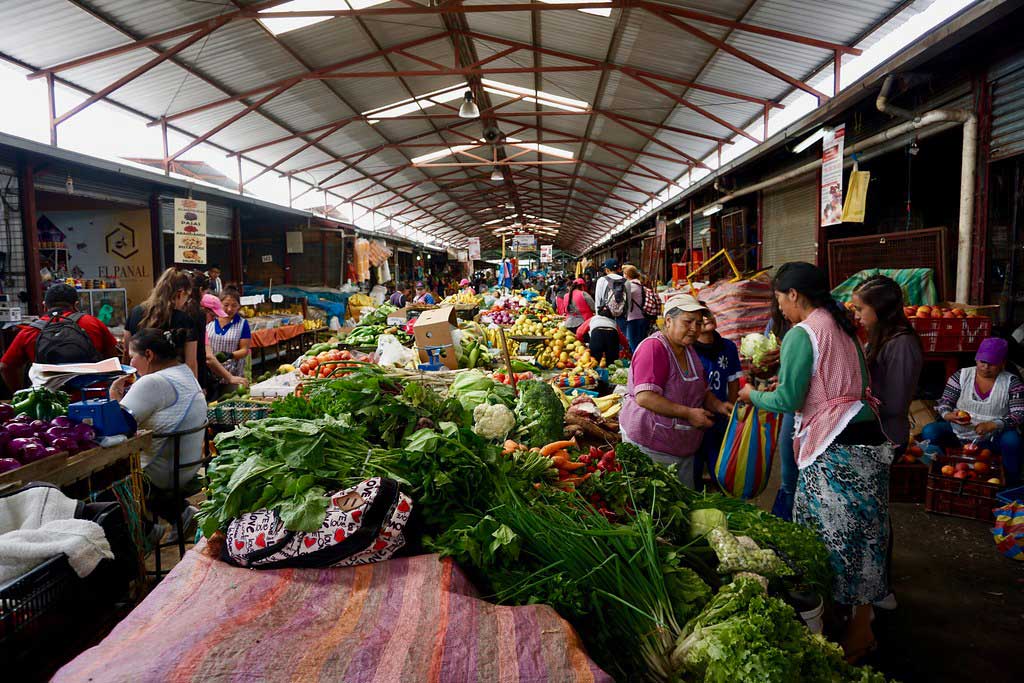
There are moments in Cuenca when you discover something that feels like a secret. A simple household discovery that makes you wonder why the rest of the world has not caught on. My latest discovery is cacao. The real stuff. The kind that comes in rough blocks or bags of nibs in the market for the modest sum of cinco dolares por libra, so cheaper than a block of cheese.
Five bucks. For one of the best sleep aids known to humanity. In Switzerland they would charge you that much just to smell it.
Outside Ecuador the situation is very different. In the United States, raw cacao nibs cost somewhere between eighteen and twenty-eight dollars a pound. In Europe the going rate is twenty to thirty euros. That is before postage, import tax and the pleasure of watching the delivery driver throw the parcel over the garden gate. People in other countries have to buy small packets as if they were dealing in rare metals.
 Meanwhile, here in Cuenca, a market vendor innocently hands over a full pound of the stuff as if they were selling a plantain or a potato.
I found all this out by accident. One evening I made a pot of hot chocolate using raw cacao nibs. I pressure cooked them, poured everything into the blender, added a bit of panela, milk powder and hot water, and drank a mug before bed.
Normally I sleep seven or eight hours. That night I slept twelve. I woke up at eleven in the morning and thought I must have slipped into an induced coma. Then I read the science and realised that cacao is not just a treat. It contains magnesium, which prevents muscle cramps, and theobromine, which relaxes blood vessels and improves circulation. and it puts you to sleep.
Raw cacao is very different from the Dutch processed powder in supermarket drink mixes. It contains the highest natural magnesium content of any common food. It also contains compounds that relax the body while keeping the mind pleasantly calm. People pay a fortune for magnesium supplements, foot warmers, sleep aids and complicated bedtime rituals involving herbal teas with names like Moon Whisper.
Meanwhile, markets in Ecuador sell a pound of cacao for less than the price of a taxi to Baños.
The Cuenca advantage is that we are living in a cacao country. Up in the northern hemisphere, food manufacturers are sneakily reformulating chocolate biscuits with no chocolate at all because real cocoa has become too expensive. They call the replacements choco flavor or brown creme. A child might not know the difference, but their grandparents would start burning flags and brassieres if they knew.
The other good news for chocoholics is that the supply lines from South America are still intact. So far the cocoa carriers sailing north have not been blasted out of the Caribbean by the addiction police. Not yet, anyway.
For anyone who wants to follow my path and experience the twelve-hour sleep of the righteous, here is the simplest method I have found. It makes a syrup that stores well in the fridge and can be turned into a drink in seconds.
Cacao Syrup for Bedtime
One pound of cacao nibs
Ten to twelve cups of water
Half to one pound of panela
Pressure cook the nibs with the water for twenty-five to thirty-minutes. Raw cocoa needs to be boiled at 93 degrees and water boils at 92 degrees in Cuenca, so you MUST use a pressure cooker to boil at a higher temperature so it all turns out smooth and silky and not gritty, ATTENTION GRINGOS, THIS DETAIL IS REALLY IMPORTANT.
Blend the hot mixture until smooth. Return it to the pot and stir in the panela over gentle heat until it dissolves. Simmer for a few minutes until it thickens slightly. Bottle and refrigerate.
To make a cup, mix hot water with a spoon or two of syrup and add milk powder to taste. A pinch of salt makes the chocolate deeper. Keep the sugar modest if you want sleep rather than excitement, or use fake sugar.
You can adjust the strength, but even a modest amount works wonders. The magnesium helps prevent cramps, the theobromine improves circulation and the warm chocolate sends a signal to the brain that the day is done. It is the closest thing to a natural sleeping potion I have ever found.
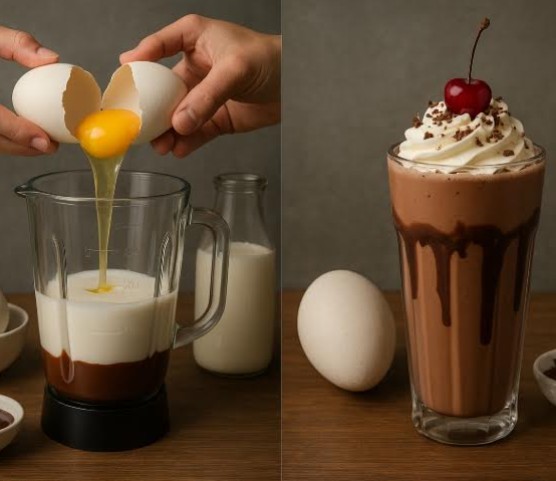
Of course, once you have made the syrup, you can use it as a flavoring for cakes, toppings, and my cleaning lady tells me that you can make a great batida with home-made chocolate syrup and a goose egg from the department of geese at the Feria Libre.
For chocoholics, this scoop is excellent news. Chocolate may be disappearing from the face of cookies in faraway places, but here the raw material is affordable, abundant and fresher than anything shipped across an ocean. If you ever wanted an excuse to drink a mug of chocolate before bed, consider this your medical recommendation. It helps you sleep, it helps your circulation, and at five dollars a pound it may be the best bargain in the Andes if you leave avocados out of the equation.
If I start sleeping fourteen hours a night I may need to cut back on the drug. Until then I plan to keep the syrup in the fridge and the pressure cooker on standby. Cuenca has many small gifts for those who live here. This one happens to taste like heaven.
Cuenca Mocha Goose-Egg Milkshake
A thick chocolate–coffee shake using cacao–panela syrup
Ingredients
1 goose egg (check with the vendor that it is for eating, not for raising goslings.)
3 tablespoons cacao–panela syrup
(use more if you want a darker chocolate profile)
½ cup strong cold coffee
(or 1 shot of cold espresso)
1 to 1¼ cups cold milk
A handful of ice cubes
Optional but excellent:
1 scoop vanilla ice cream
A pinch of salt
A drop of vanilla extract
A sprinkle of cinnamon on top
Method
1. Prepare the goose egg.
Goose eggs are large and very rich. You may use it raw only if it is very fresh.
Otherwise use the safe method below:
Light pasteurisation method
Whisk the goose egg in a small pan over low heat until it reaches 60–63°C (140–145°F).
This thickens it slightly like loose custard.
Let it cool for two or three minutes before blending.
This preserves the silky texture but avoids risk.
2. Build the base in a blender
Add:
The goose egg
3 tablespoons cacao–panela syrup
½ cup cold coffee
1 cup cold milk
Blend 10–15 seconds until smooth.
Taste for sweetness.
If you want it darker, add another spoon of syrup.
3. Add ice and thicken
Add a handful of ice cubes and blend again until the texture becomes creamy and thick.
If you want a milkshake worthy of an expensive café, add one scoop of vanilla ice cream and blend only three or four seconds to keep some body.
4. Finish
Pour into a tall glass.
Add a sprinkle of cinnamon or a swirl of syrup on top if you like. Abd a cherry if you have one.
Drink before the ice melts.
What you get
The goose egg gives a custard-like body that no shop-bought shake can match.
The cacao–panela syrup adds Ecuadorian depth, caramel notes, and natural fats.
The coffee adds aroma and caffeine, and a nice contrast to the heavy chocolate.
The blend of egg proteins and cacao butter creates a very stable emulsion, so it stays thick.
This is the kind of drink a Cuenca café could charge eight dollars for, and tourists would rave about it for weeks.