















Tourism officials worry about impact of US travel advisories but admit options are limited
Tourism officials and businesses are divided about how to respond to recent Ecuador travel warnings issued by the U.S. State Department. “There is no doubt this causes more damage to an industry that has already suffered and we must decide how to handle it,” says Holbach Muñetón, president of a coalition of national tourist chambers.

While coastal tourist destinations have suffered from high crime rates, Cuenca has benefited. (El Mercurio)
While Muñetón and others in the tourism sector recommend presenting a “an accurate and detailed view” of the situation in the country, he admits the reality cannot be ignored. “We cannot deny that we have a serious crime problem in some areas. On the other hand, we must ensure that international tourists have reliable information on which they can make travel plans. They need to know which areas are safe.”
Others in the tourism business are urging the government to intervene to have the warnings downgraded. “We are partners with the U.S. in fighting the cartels and I think we should get consideration for this,” says Guayas Tourism Chamber spokesman Rafael Iglesias. “Our government should step up and help us.”
In the last two weeks, the U.S. State Department has raised the risk level for traveling in Ecuador, singling out Manabí, Santa Elena, El Oro, Los Ríos and Santo Domingo de los Tsáchilas Provinces as areas to be avoided.
Muñetón said the U.S. advice to “reconsider” visiting Manabí and Santa Elena is especially damaging since those provinces depend heavily on tourism. “Tourism is already down 30% to 40% in these provinces from pre-Covid pandemic levels so the new notices will add to the pain,” he says. “Another 10% decline in tourism in Manta and Salinas means 40,000 less visitors and the loss of hundreds of jobs.”
Lucía Fernández, Manta Chamber of Commerce vice president, said she was “very disappointed” with the new U.S. advisories. “This affects the hotels, restaurants, tour operators, businesses and employment – the full spectrum of the tourism industry,” she says. She added that the bad news unfairly targets tourist beaches and activities that are not affected by high crime rates.
She adds: “We do not ask that the violence be hidden or ignored. We ask that warnings be applied with precision, so they do not harm tourism in safer areas.”
Muñetón admits it will be difficult to achieve the “precision” that Fernández recommends. “It’s easy to make the case that violence is low in the Galapagos, Cuenca and Loja, but pointing out safe areas on the coast is not. Travel warnings issued by countries like the U.S. are broad stroke reports and potential tourists that read them are unlikely to dig deep into local crime reports before deciding on a trip.”
Crime also effects tourism among Ecuadorians, Muñetón points out. “This should not be ignored since the local population makes up most of the tourism market,” he says. “Crime is also hurting markets like Salinas among Ecuadorians, for example. Travelers who once went to the beach are now going to Cuenca which, of course, is good news for the tourist sector there.”



Hogar Esperanza News
Fabianos Pizzeria News

Fund Grace News

The Cuenca Dispatch

Week of September 20
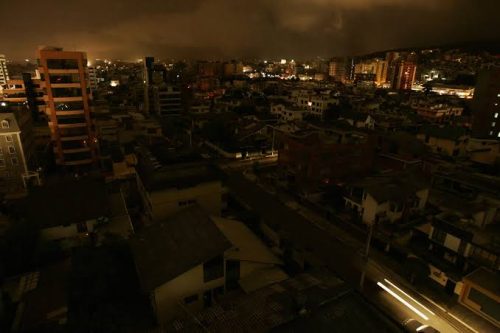
Ecuador turns to industrial power cuts to protect Mazar and keep homes from going dark.

Ecuador raises its 2026 growth forecast, but El Niño could spoil the outlook next year.

Cuenca retirees challenge medical and therapy changes at IESS senior center.