













Visas and vaccines: The room where it happens
“There is no such thing as an Ecuador retirement visa,” the woman across the desk told me firmly. We were in her office near the exterior ministry in Guayaquil. I had gone there because I wanted the thing that she said did not exist.
I suggested she try to Goo-gleh it. A moment later, the difficulty disappeared and was replaced with jubilación. “Oh, OK, so you want a retirement visa?” Yes, I did; we had now established both its existence and my interest in obtaining one so that was a start.
Judging by the people in the waiting room, many of her customers were Venezuelanos and Brazilianos. I gathered that much of the office’s business involved people seeking refuge in Ecuador. A US retiree wanting to settle down in Ecuador was apparently a less familiar proposition, more like a migratory bird blown off course and landing in Guayaquil instead of the Galapagos.
 I mention this because newcomers sometimes mistake a confident sounding answer for a correct one. They are not necessarily the same thing. Not in Ecuador, anyway.
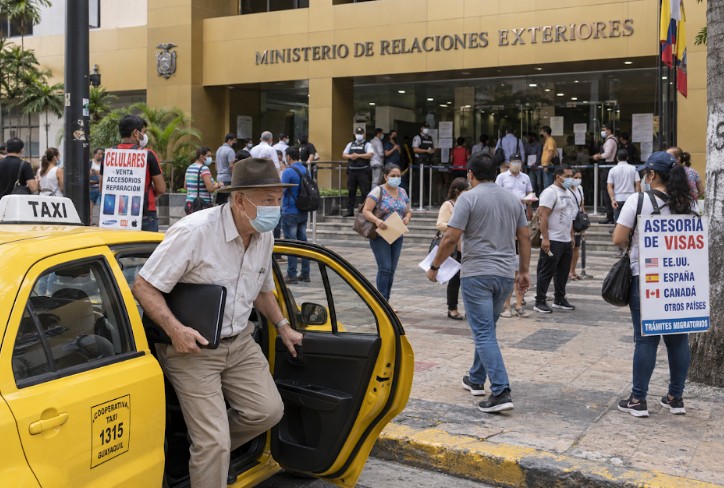
Earlier, my little yellow taxi had deposited me outside the ministry, where hundreds of people were milling around the concourse wearing masks. This was during the Covid epidemic, when even an ordinary conversation involved speaking through fabric and trying to work out whether the other person was smiling. The people guarding the doors of the Ministry were allowing nobody inside without a printed appointment sheet.
I did not have a printed appointment sheet, nor did I have a particularly clear understanding of how to acquire one. What I did have was the conviction that somewhere in this collection of buildings and people was someone who knew how to apply for a visa. So I joined the crowd and milled around outside until somebody approached me and asked what I was looking for. Gradually, the process began to take shape.
That has generally been my method in Ecuador. Go to the place where the thing happens and explain what you want. See what happens next. It is not a method that would earn much admiration from a management consultant. This is why I have not attached a flowchart.
Eventually, the visa was issued. On the day I went to make the final payment and collect it in Guayaquil, I also went back to the lady who had denied that retirement visas existed and received the order needed to obtain my cédula and went to the Registro Civil. By the time all this was accomplished, it was already after the hour of almuerzo, so naturally they said: “Come back mañana.”
I was living in Santa Elena at the time so going home and returning the following morning meant another long journey, about five hours for the round trip, to finish something for which I was already standing inside the appropriate building. I asked whether I could speak to a supervisor. He came, walked me through the process, and about half an hour later I was outside holding my cédula. “Come back mañana” had been the first answer I had received, but it was not the correct answer.
This is not a story about defeating Ecuadorian bureaucracy. The supervisor was part of that bureaucracy, and he helped me, and I was very grateful to him, and also to the door supervisor at the Ministry of the Exterior who had always recognized me after my first visit and called me to the front of the line. I was also grateful to the people who eventually processed my visa, even if they were a bit grumpy. It is a story about giving somebody the opportunity to solve a problem.
My approach to Covid vaccination was much the same. I was worried about catching Covid. I had a recent leg thrombosis. I had a daughter who was too young to remember me properly if I died then. Last week she clocked another birthday. Getting vaccinated was not something I intended to eventually look into, after hearing what the gringo community thought. Once vaccination became available to my age group, I wanted to get it done right away, pronto, or as soon as possible. It was literally a matter of life and death, so as soon as I had finished breakfast, I tackled it.
I went to the vaccination center on the UPSE campus in Santa Elena with my passport in one hand and an umbrella in the other. I did not yet have a cédula. My recollection is that they registered me then and there on a Dell laptop computer, typing my passport number into the computer in the identifcationnumber field, and then told me to roll up my sleeve. Registration was something we accomplished at the vaccination center. Afterwards I was given a card with a date to come back for the second shot. I was officially in the system!
Later, I heard confident statements that for some reason foreigners could not receive a vaccination without a cédula in the same way that tourists to Ecuador could get a yellow fever vaccine. That was difficult to reconcile with the vaccination I had received without one. Perhaps somebody had encountered that requirement in the sierra. Perhaps an online form had demanded a number they did not possess. Perhaps somebody had repeated something somebody else had been told. These things can happen. The trouble begins when “this happened to me” becomes “this must be the rule everywhere.”
For newcomers to Ecuador, especially those with limited Spanish, the English-speaking grapevine can be useful, but it can also become a waiting-room from which nobody ever gets called. Sometimes the most useful information comes from the person sitting behind the desk where the actual work is done.
There is no guarantee and you may still need an online appointment, another copy, or another document, or another visit. But going to the room where it happens allows you to discover what is missing, whether somebody can help, and whether the first answer is the only answer. I have found Ecuador full of people willing to help once they understand what I need, as long as we have first established that it exists.


Hogar Esperanza News
Manabi property

Fund Grace News
The Cuenca Dispatch

Week of October 25
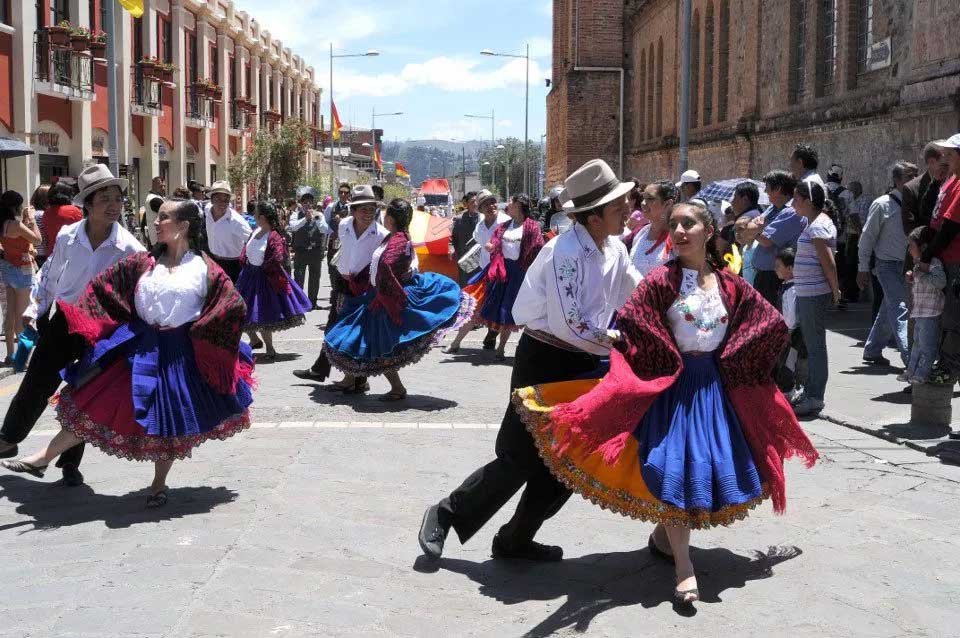
Ecuador heads into a four-day November holiday built around Cuenca’s Independence Day.
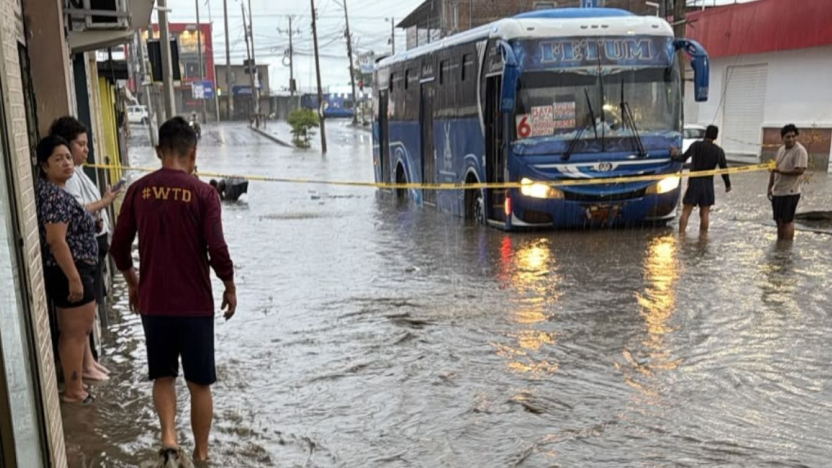
El Niño’s early rains have already affected more than 30,000 people across Ecuador.
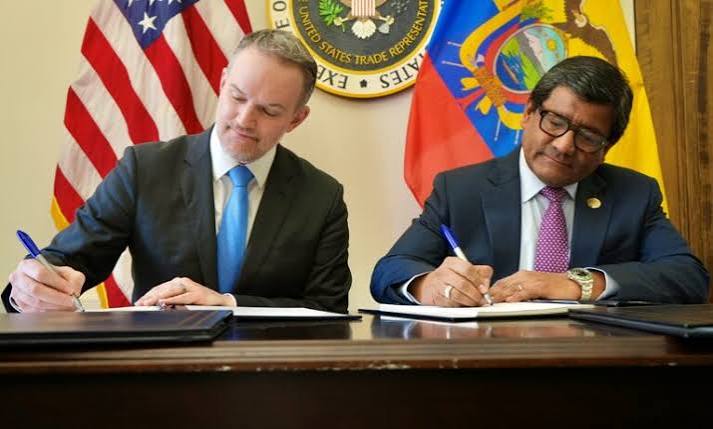
Exporters press Constitutional Court to move three major trade agreements forward
Fabianos Pizzeria News