















Who uses cocaine?
Who uses cocaine these days? Really?
Once upon a time, the answer seemed reasonably straightforward. Rock stars who sing about it, movie stars, wealthy people at fashionable parties, and perhaps the gentleman who had been explaining his extraordinary business success for forty minutes without drawing breath.
Now the answer appears to include just about everybody and his brother or sister, at least in the UK. A Guardian investigation published on October 25 describes cocaine use woven into everyday British life, from music festivals and soccer stadiums to pubs and work days in boring jobs. Its interviewees include a veterinary nurse taking it for a little extra confidence in meeting strangers and a carpenter who used it to get through long hours working on TV and movie sets.
 For readers in Ecuador, this has rather more than just being an interesting account of what the British public are putting up their noses in the bathrooms of pubs.
In January, the British government stated that most cocaine reaching the United Kingdom passes through Ecuadorian ports. The customer enjoying a chemically improved evening in England and the family worrying about violence on Ecuador’s coast occupy different ends of the same supply chain and although they are unlikely to meet face to face, in some ways their money does link up.
The Guardian puts England’s estimated cocaine consumption in 2024–25 at 123 tonnes, with a street value approaching $13 billion. It expresses that as roughly 2.5 billion lines. Of course a line of cocaine is only a serving suggestion, not a scientific unit and its size and purity vary, and cocaine consumption includes forms other than powder arranged on a convenient surface. Nonetheless, the size of this trade is clearly nothing to sneeze at.
But how can anyone make an accurate guess at the size of it? Dealers are notoriously reluctant to submit audited accounts, and retail customers may not answer questionnaires with complete candour, especially if they are the type of people who worry about losing their well-paid jobs or going to prison for a year or two, but fortunately for researchers, people who won’t tell the government what they consumed will generally still go to the bathroom.
Wastewater analysis takes samples of sewage entering treatment plants, usually collecting small amounts over a day to obtain a representative mixture. Laboratories look for chemical traces left after the body processes a drug.
For cocaine, an important marker is benzoylecgonine. Mercifully, nobody has to pronounce it or consent before providing a sample so that scientists can measure its concentration, combine that with the volume of sewage flowing through the plant, and use estimates of how much the body excretes to work backwards towards consumption. Population estimates help researchers compare places of different sizes.
Of course there are uncertainties and rainfall, sewer conditions, visitors and assumptions about human metabolism can affect the calculation of the number of lines. Nor can the results identify individuals or tell us whether consumption rose because more people used cocaine or because existing users took more. The drain data provides a collective chemical estimate, not a list of names.
The latest figures also complicate any simple story of an uninterrupted surge. A Home Office (law enforcement) report published on October 14 estimates that consumption at consistently monitored English sites rose 17 percent between early 2021 and early 2026, but fell 7 percent between early 2025 and early 2026. Different reporting periods matter. A market can remain enormous while its latest measurement declines.
The Guardian’s interviews with bartenders suggest how cocaine became ordinary. It can offer confidence, energy and the impression that another drink is an excellent idea. Some people apparently take it to sober up, which doesn’t work, but a lot of people think it might until they see a flashing blue light in their rear view mirror.
The investigation also found increased rates of police records mentioning cocaine. These included violent and sexual offences as well as drug offences. A mention in a police report does not necessarily establish that use of cocaine caused a particular crime, but on the other hand there is no evidence that using it reduces crime.
And then there is domestic violence. Data suggests it is a common scenario. Home Office figures sent to the Guardian showed that nearly six in 10 police drug tests on people arrested on suspicion of domestic abuse in the UK were positive for cocaine between July 2025 and June 2026 this year.
Here at the Ecuador end of the line, the consequences and the crime figures paint a different picture.
Ecuador’s proximity to cocaine-producing areas in Colombia and its busy export ports make it useful to traffickers. Legitimate export commerce supplies containers, shipping connections and immense volumes of cargo among which illegal consignments can be concealed. Europol describes tropical-fruit shipments as one vehicle for cocaine exports to Europe.
The banana business would presumably prefer to concentrate on bananas, but trafficking creates opportunities for corruption and violent competition over access to routes and ports. Ecuador’s security crisis has also expanded into extortion and illegal mining, so cocaine is not behind every crime, but competition over its movement is a central part of the story.
There is real enforcement work behind the announcements. Britain has provided training and equipment to Ecuadorian police, including support for drug-detection dogs. Ecuadorian officers and naval personnel intercept consignments on land and at sea. In June, police reported seizing nearly 1.5 tonnes of cocaine in Puerto Baquerizo Moreno, Galápagos. Even the ecotourism islands are not exempt from the geography of cocaine.
Such seizures matter, because they remove shipments and can help expose networks. But press release photographs of confiscated packages are common and cannot, by themselves, tell us whether the wider market is shrinking. More seizures might reflect better policing, more trafficking, or both. Fewer might indicate less supply or more successful evasion. Or perhaps the dealers offer up sacrificial packages of diluted or low quality powder to law enforcement as a distraction, while the real stuff sneaks by. Who knows?
Meanwhile in the UK, the rest of Europe, and the US, the customer remains available. It would be unfair to suggest that every person with a cocaine dependency has calmly considered Ecuador’s suffering and decided it is an acceptable price. Addiction is not usually conducted as an ethical purchasing exercise and no one cares if their line of coke is organic, green, or ethically produced. But the well-off recreational customer has rather less excuse for imagining the purchase affects nobody else.
We have become accustomed to asking where our coffee comes from, whether our chocolate was produced responsibly, and whether the people making our clothes were mistreated in sweatshops, so the same curiosity could usefully extend to the etiology of the little packet purchased for Saturday night.
From Cuenca, Britain’s cocaine habit looks less like a distant social trend and more like an export market whose security costs are partly charged to Ecuador.
Who uses cocaine? To some extent the sewage can tell us, but who really pays is a much broader question.



Hogar Esperanza News
Fund Grace News

Fabianos Pizzeria News

Manabi property

The Cuenca Dispatch

Week of October 25
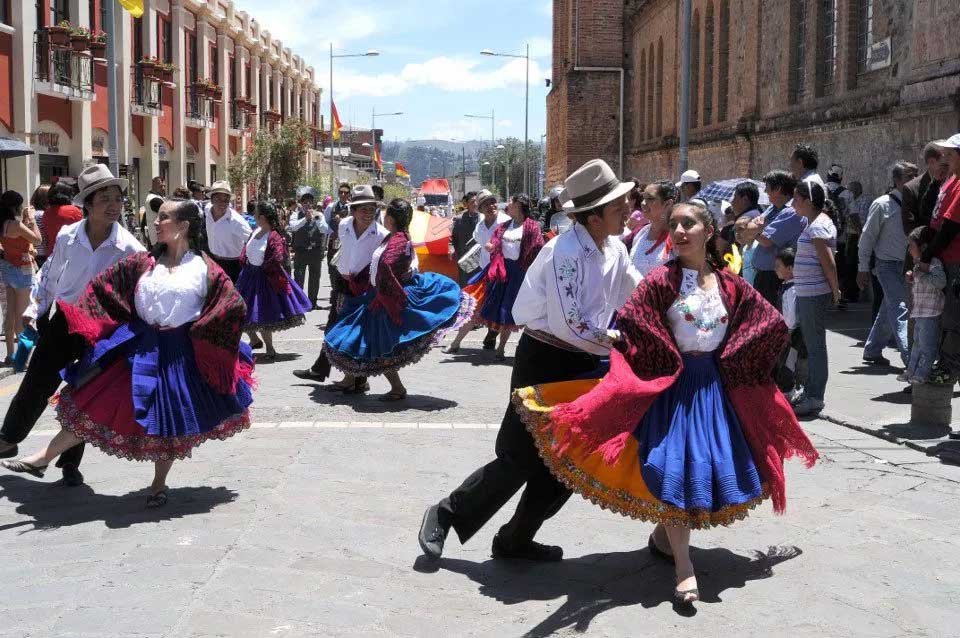
Ecuador heads into a four-day November holiday built around Cuenca’s Independence Day.
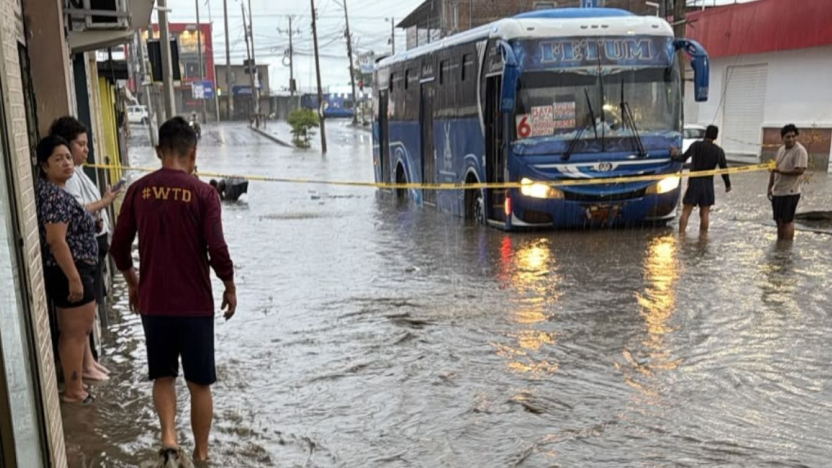
El Niño’s early rains have already affected more than 30,000 people across Ecuador.

Exporters press Constitutional Court to move three major trade agreements forward