














Experts doubt Noboa’s promise to end power blackouts in December, say it depends on rain
Although President Daniel Noboa insists electric blackouts will end in December, experts say it is a promise he may not be able to meet.
On Wednesday, Noboa repeated the claim at a ceremony in Esmeraldas. “As a result of neglect and corruption by previous governments, we have been forced to endure very difficult circumstances, but we are overcoming these,” he said. “As I have said before, in December the blackouts will end and we will return to normal life.”
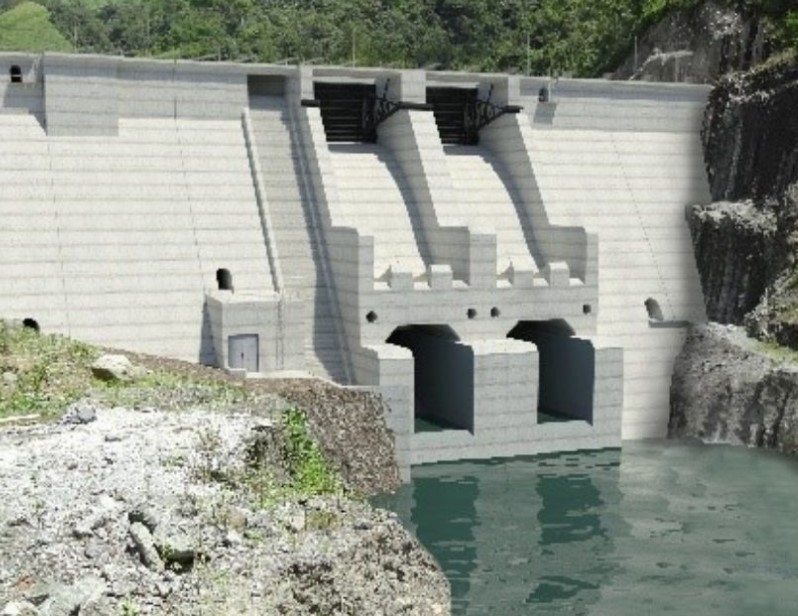
The Toachi Pilatón hydroelectric plant in Pichincha Province is scheduled to begin power generation next week.
According to energy consultant Santiago Yépez, only days of heavy rainfall can make the promise a reality. “It is true that new electricity is coming online in the coming weeks, but it will not be sufficient to end the blackouts,” he says. “I am afraid this is wishful thinking based on the president’s desire to put the crisis behind him before the election campaign begins.”
The new power sources Noboa is relying on include the resumption of power sales from Colombia, the installation of 12 mobile thermal plants arriving next week from the U.S., repairs to three out-of-service thermal plants, and the start-up of the Toachi Pilatón hydroelectric plant November 27.
“These additions are certainly welcome, but they still leave a 500-megawatt demand deficit and probably more,” Yépez says. “What we really need is a lot of rain.”
Yépez agrees that the crisis is the result of inaction by previous governments but says Noboa’s mismanagement has compounded the problem. “Poor decisions were made early in the crisis, including not beginning power suspensions earlier,” Yépez says. “Poor communication with the public has compounded the problem, especially the claims that blackout hours would be reduced only to have them increased.”
Yépez is concerned that “structural issues” regarding Ecuador’s electricity infrastructure are not being addressed. “At this point, we are only addressing the emergency and not looking at the bigger picture,” he says. “We need to reconsider the balance between thermal, hydro and renewable sources and that process should begin now. In 2007, 52% of our electricity came from thermal plants and today it generates less than 30%. In light of the current drought and the previous ones, we must rethink our reliance on hydro.”
Former Energy Minister Carlos Pérez warns against a “blame game” that focuses on past mistakes and says all attention should be on building a sustainable future. “Yes, mistakes were made, contracts were cancelled that should not have been, and Coca Coda Sinclair was plagued by corruption and is operating far below expectations,” he says.
Besides adding new generation capacity, Pérez says government planners must factor climate change into its plans. “We are talking about the drought as something that will soon pass and we will return to previous weather conditions, and this is a mistake. The weather trends over the past two or three decades are staring us in the face and cannot be ignored. We must look to other energy sources besides water.”
Pérez says geothermal is a source that is a “natural” for Ecuador. “We have enormous power under our feet and should follow the lead of other countries, such as Finland and Iceland, that have successfully tapped this energy.”