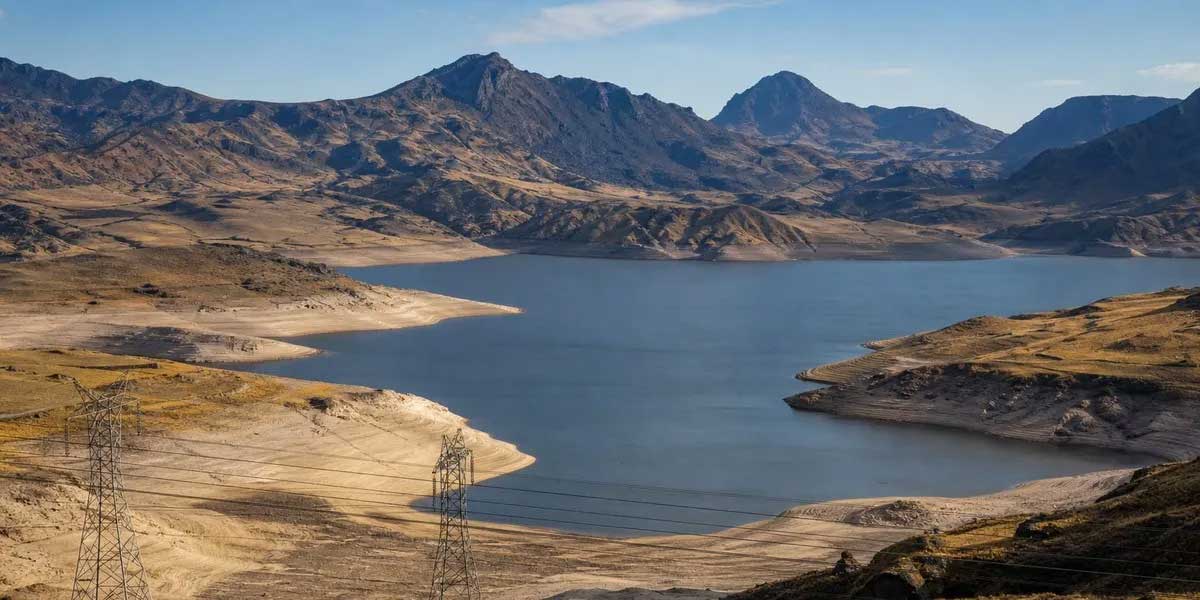














Cuenca’s mirror: What expats see when they look around at each other
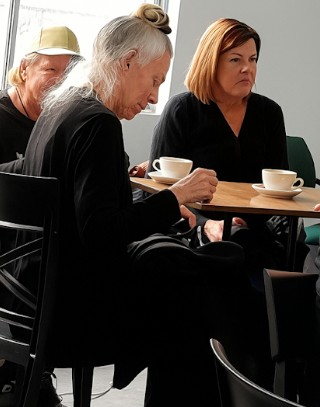
If you sit long enough in a café near Parque Calderón, you can watch an entire story unfold about expat life in Cuenca. One table hums with newcomers comparing apartment rents and favorite bakeries. Another hosts the veterans, trading tales of how things “used to be.” Between the laughter, complaints, and the clink of coffee cups, you start to realize that Cuenca is not just a city we live in. It is a mirror reflecting what each of us brings here.
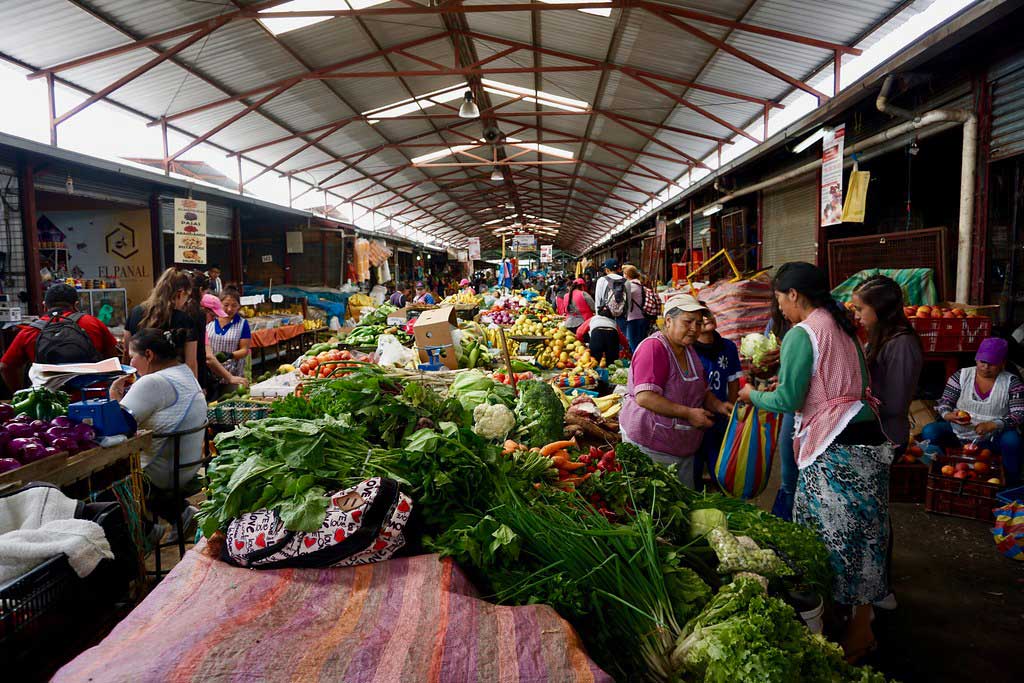
For some, that reflection glows with patience, color, and gratitude. They see a place where people still greet strangers, where the market ladies remember your favorite fruit, and where kindness can surprise you when you least expect it. These are the dreamers who came looking for connection and often find it in the rhythm of daily life.
 Then there are the realists. They notice the potholes before the mountain views. They’ve been here long enough to understand that bureaucracy can outlast even the strongest resolve and that patience sometimes needs to be imported. They still love the beauty of Cuenca, but they love it like a family member, flaws included. Their version of expat life in Cuenca is practical, not poetic.
And somewhere in the middle are the bridge builders. They are learning to live between cultures. They laugh at the contradictions and understand that adaptation is not a one-time event. They have stopped trying to fix Ecuador and have started to let it change them. For them, Cuenca becomes less about comparison and more about coexistence.
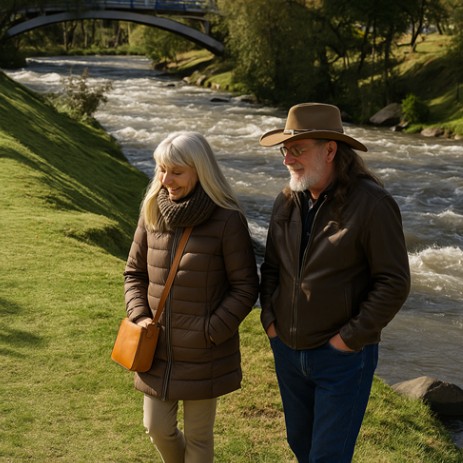 Every expat brings their own lens. Some arrive escaping something. Others come searching for meaning or a slower life. What we find depends less on the city itself and more on the story we tell about it. One person can describe the same bus ride as charming while another calls it chaos. Both are true, because Cuenca holds space for every version of us.
Part of the challenge is that many expats carry expectations built on glossy images of retirement abroad. The idea of living simply, surrounded by kindness, often collides with the realities of language barriers, noise, and new customs. When that happens, disappointment can turn into cynicism. Yet, if we look closer, that tension is exactly where growth begins. Expat life in Cuenca is as much about self-discovery as it is about scenery.
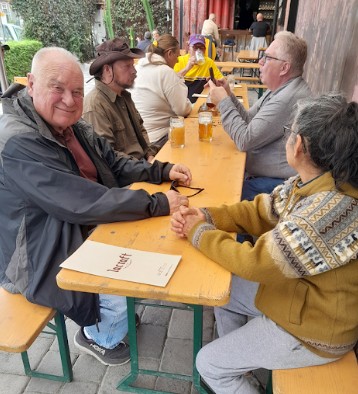 The longer we stay, the more we realize that integration is not measured by how many Spanish words we learn or how many local friends we make. It is measured by how well we adapt when things do not go our way. It is in how we handle frustration, how we show respect, and how we choose to participate in community life. Each small act, whether waiting your turn in line or greeting your neighbor, adds another thread to the shared fabric of this city.
The truth is, Cuenca is neither paradise nor purgatory. It is simply real life, lived at a different altitude. Some days it will test your patience. Other days it will remind you why you came. The trick is to stop expecting it to behave like where you came from. That is when you start to see its deeper charm.
So next time someone at the café says, “You either love Cuenca or you don’t get it,” smile. Because understanding this city is not about taking sides. It is about recognizing that Cuenca, in its own quiet way, shows each of us who we are becoming.
If you enjoyed this reflection, you might like the companion piece on Next Cradle, which explores what it really means to feel at home abroad and how expats can create belonging wherever they land.
________________
Jim Smith is a consultant and head of a Resource Hub that Supports Seniors, Retirees, and Digital Nomads — especially those rethinking life and work due to political and economic instability. He is the past chairman of the Portland, Oregon Housing Authority. He lives in Cuenca.