




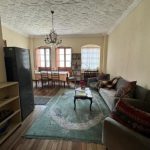








From plastic chairs to parking lots: What a lunch really costs in Cuenca
Everyone in Cuenca will tell you the almuerzo at the market is a bargain. Two or three dollars buys you soup, a main dish, rice, and a glass of juice, often with free refills and sometimes a tiny dessert. They don’t tell you the soup often contains chicken feet not so much for added flavor, but because someone had to find a use for the leftover parts of the bird. One day I left mine untouched at the bottom of the bowl. The señora noticed, raised an eyebrow, and gave me a look that said: “Gringo, that foot was the best part.”
The rice comes in heaps, as if measured with a snow shovel, and the juice tastes faintly of tap water, with a single papaya fighting for its life in the blender. The color is tropical; the flavor is municipal. But nobody complains, because at three dollars, you can’t, can you? And when you pay, there’s no charge for IVA. Ecuador spares its citizens from taxing cheap lunches.
 Now think of Florida. In my days of Winn-Dixie lunches, you could get something that looked like an almuerzo on a plastic tray: fried or stewed chicken, rice, maybe a small bread roll and a micro-pat of something pale-yellow that looked a bit like butter.. It had the same weary look as a Cuenca lunch, but without the consolation of a three-dollar price tag. And instead of the señora’s weary indifference, you got fluorescent lights and an employee in a hairnet and a paper hat who had long ago lost the will to smile.
At least in a Florida fast-food place you get amenities: a free working toilet with paper incluido, a place to wash and dry your hands and a free parking space only 100 meters away across the scalding tarmac. Whether or not you actually need them, the price of both is wrapped into the price of your Santa Fe chicken wrap.
In Cuenca’s markets, you eat elbow-to-elbow at a plastic table, and if you need the bathroom you’re directed down a corridor and would be well advised to bring your own paper and soap. (Don’t leave home without them.)
Then there’s the heat-lamp burger itself. Same deal: limp fries, saggy buns, and a cardboard drink container full of hollow ice cubes. The difference is that in the United States, you also pay for the privilege of being serenaded by corporate jingles while an icon of Ronald McDonald beams down at you like a painted saint of cholesterol, and in Cuenca your drink is probably served ambiente.
So which is worse, or better? That depends on how you prefer your mediocrity. In Cuenca, you get chicken feet floating in yellow soup. In America, you get combo meals, slogans, a bathroom key attached to a length of two-by-four, a bill with sales tax added to the advertised price, and someone to wish you a really, really nice day. Neither will be reviewed in the food pages, but at least here you won’t mistake it for haute cuisine.
The truth is, almuerzos and heat-lamp lunches both do the same job: they fill you up cheaply,satisfy your craving for boiled rice, and leave you vaguely dissatisfied. The only real difference is that in Ecuador, you get enough change out of a $5 bill to pay for a taxi, and in the US you pay with a debit card which adds a few more cents to your bill and you probably don’t even notice the state sales tax sneakily added on until after you have reviewed your monthly bank statement wondering where on earth all your money went.



Hogar Esperanza News
The Cuenca Dispatch

Week of September 20
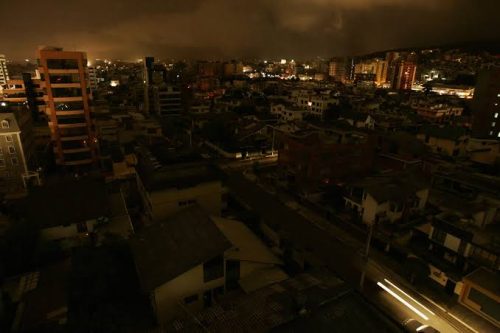
Ecuador turns to industrial power cuts to protect Mazar and keep homes from going dark.
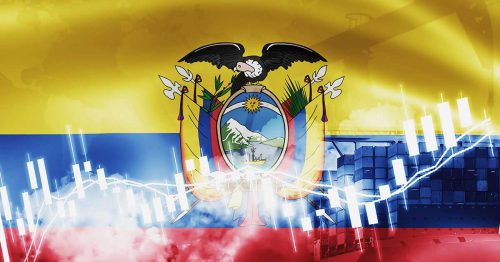
Ecuador raises its 2026 growth forecast, but El Niño could spoil the outlook next year.
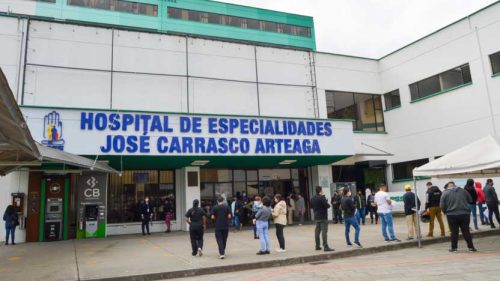
Cuenca retirees challenge medical and therapy changes at IESS senior center.
Fabianos Pizzeria News
Fund Grace News