













How a changing world is redesigning expat life in Cuenca
There was a time when many people described moving abroad in simple terms. Cuenca was beautiful. The cost of living was lower. The climate was comfortable. The pace felt easier. For many retirees and expats, that was enough to explain the move.
move.
But expat life in Cuenca is changing because the world around it is changing. The old story of escape, retirement, and lower costs no longer explains what many people are quietly trying to build here.
The pressure is not coming from one direction. Rising prices, political exhaustion, healthcare worries, digital disruption, family distance, and safety concerns are all changing how people think about where and how they live.
 For some, Cuenca still represents relief. For others, it has become part of a larger Plan B.
That does not make the city less attractive. It makes the decision to live here more complex.
Some people still come for the same reasons people came years ago. They want a fresh start, a walkable city, a gentler climate, a more affordable life, and a sense that daily living does not have to feel so pressured.
Those reasons still matter.
But they are no longer the whole story.
More people are now arriving with different questions. Can I make my money last? Can I manage my health from another country? Can I keep up with technology? Can I stay connected to family far away? Can I still earn something if I need to? Can I build a support system if life becomes more complicated?
Those questions are changing the meaning of expat life.
Why the old expat story feels incomplete now
The old expat story focused on leaving something behind.
For many people, that meant leaving high costs, political tension, cold winters, stressful routines, or a sense that life had become too narrow. Moving to Cuenca offered a different rhythm. It gave people a chance to walk more, spend less, meet new people, and live inside a culture that felt less hurried.
That story is still real.
But moving abroad does not freeze the world in place. It only changes where you stand while the world keeps moving.
Inflation still reaches across borders. Healthcare questions do not disappear. Family issues still travel through WhatsApp calls and late-night messages. Technology keeps changing the way people bank, communicate, work, and solve problems. Political uncertainty back home may feel farther away, but it rarely vanishes completely.
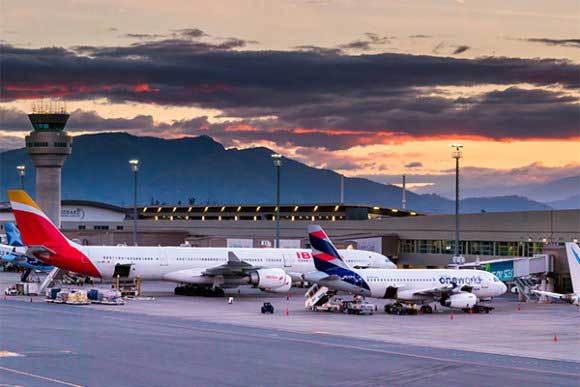
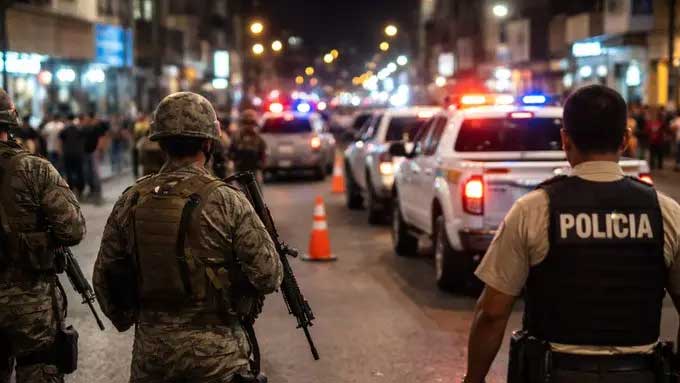
Ecuador has its own pressures too. Security concerns, power issues, changing local costs, shifting visa expectations, and uncertainty about public services can all affect daily life. These issues do not erase the value of living here, but they do remind people that no country is a complete escape from the world.
That is why some expats eventually discover that relocation is not the final answer. It is the beginning of a new set of adjustments.
Cuenca may offer relief, but relief is not the same as permanence.
Why uncertainty follows people across borders
Uncertainty changes shape when people move abroad.
A person may leave behind one kind of political noise and encounter another kind of local instability. They may leave a high-cost healthcare system and then face the challenge of understanding doctors, insurance, prescriptions, and hospitals in another language. They may leave a country where daily life felt too expensive and then discover that prices abroad are also moving.
This is not a reason to avoid moving.
It is a reason to think more clearly about what moving can and cannot do.
Many people once imagined moving abroad as a way to step outside the pressures of their home country. Now they are discovering that uncertainty travels. It changes form, but it does not disappear.
That may be one of the biggest shifts in expat thinking.
The question is no longer only, “Where can I live better?”
The question is becoming, “Where can I adapt better?”
That is a different conversation.
 How money is changing the meaning of security
Financial security abroad now requires more attention than many people expected.
For some retirees, Cuenca still offers a better financial life than they could manage in the United States, Canada, or parts of Europe. Rent may be lower. Daily meals may cost less. Public transportation remains affordable. A person can often live with less pressure than they felt before moving.
Still, the margin is not the same for everyone.
Some people arrived when their pension, Social Security, savings, or investment income felt stronger. Over time, prices changed. Medical needs changed. Housing expectations changed. Travel costs changed. Family obligations changed. Currency swings and banking issues added another layer of uncertainty.
For people on fixed incomes, even small changes can matter.
This does not mean Cuenca has lost its value. It means the decision to live here now requires more active planning. The old assumption that moving abroad automatically solves financial pressure is too simple.
For some people, Cuenca still creates breathing room. For others, it creates a better life only if they keep adjusting the numbers.
Why technology is becoming part of daily independence
Technology is no longer a side issue for expats.
It now shapes how people manage money, healthcare, travel, communication, government forms, appointments, translation, transportation, and safety. A person who can use online banking, digital wallets, translation apps, telehealth services, video calls, password managers, and AI tools may feel far more independent than someone who struggles with those systems.
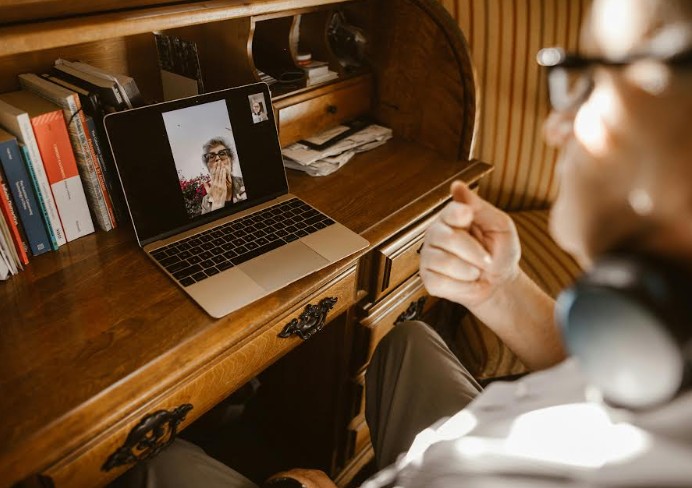 This is becoming one of the quiet dividing lines in expat life.
Some people adapt quickly. They use their phones to translate a conversation, check a medical term, pay a bill, call a ride, compare prices, or stay connected with family. Others feel increasingly boxed out by systems that assume digital confidence.
The problem is not intelligence. Many older expats are smart, experienced, and capable. The problem is speed. The tools keep changing. The instructions are not always clear. The risks are real. Scams, fake messages, suspicious links, and confusing banking alerts can make technology feel less like freedom and more like a threat.
Yet avoiding technology is becoming harder.
In Cuenca, digital confidence is becoming part of practical survival. It affects how easily people handle daily life, solve problems, and stay connected to the world around them.
How work after retirement is becoming more normal
Retirement abroad is also changing.
For some people, retirement still means leaving paid work behind. They came to Cuenca to slow down, enjoy the city, make friends, travel, and live without the old pressure of deadlines and offices.
For others, retirement is becoming less final.
Some older expats are beginning to ask whether their experience can still create options. They may not want a full-time job. They may not want to return to the life they left. But they may want extra income, a sense of usefulness, or a way to stay mentally engaged.
That can take many forms.
A retired teacher may tutor online. A former manager may consult part-time. A writer may build a small newsletter. A business owner may advise younger entrepreneurs. Someone with strong administrative skills may support remote clients. Someone with local experience may help newcomers understand the practical side of settling in.
This is not about turning every retiree into a digital nomad.
It is about recognizing that the line between retirement, work, purpose, and income is becoming less clear. For some people, that is stressful. For others, it is liberating.
The larger point is simple. In a changing economy, experience may become one of the most valuable assets older expats still carry with them.
Why relationships and community matter more now
Relationships abroad are also being reshaped by uncertainty.
 That does not mean every relationship is about survival. Many are built on affection, attraction, shared interests, humor, and the simple pleasure of being with someone who makes life better.
But companionship can take on added weight when people are far from family, familiar systems, and the social structures they once relied on.
A partner may help with language. A friend may notice when someone has not shown up for coffee. A neighbor may know which doctor to call. A local contact may explain a process that would otherwise feel impossible. A small group may become the difference between feeling settled and feeling exposed.
This is where the relationship story connects to the larger expat story.
In a changing world, companionship is not just a lifestyle detail. It can become part of how people stay steady.
That does not make every relationship healthy. It does not make every arrangement equal. It does not mean outsiders are always wrong to notice imbalances. But it does mean that relationships abroad often carry more practical and emotional meaning than they appear to from the outside.
People are not only looking for romance. Many are looking for reliability.
How Cuenca changes when the expat population changes
The expat community in Cuenca is not one single group.
The person who moved here fifteen years ago and the person arriving now may both be called expats, but they may be solving very different problems.
Some came for retirement. Some came for lower costs. Some came after divorce or widowhood. Some came because politics back home became exhausting. Some came because remote work made it possible. Some came to test a Plan B. Some came for adventure. Some came because staying where they were no longer made sense.
That mix changes the community.
Older retirees may want stability, familiar routines, and trusted friendships. Younger remote workers may want Wi-Fi, flexibility, cafés, and short-term social circles. New arrivals may want guidance. Long-term residents may want fewer repeated questions. Some people want deep community. Others want privacy. Some want to integrate. Others want comfort among people who speak their language.
These differences can create tension.
They can also make the community more interesting.
Cuenca is no longer receiving one kind of expat story. It is receiving many versions of people trying to redesign life under new conditions.
What expat life in Cuenca may require next
The next version of expat life may reward flexibility more than nostalgia.
 That may be uncomfortable for people who moved abroad hoping to simplify life once and for all. But simplicity is not something a place can guarantee forever. It has to be rebuilt as conditions change.
That may mean learning more Spanish. It may mean improving digital skills. It may mean reviewing financial plans more often. It may mean building stronger local relationships. It may mean accepting that retirement can include purpose, work, service, or creative projects. It may mean paying closer attention to health systems, visa rules, housing costs, and changing neighborhoods.
None of this means Cuenca is less valuable.
It means Cuenca is not separate from the world.
The city still offers beauty, culture, walkability, climate, and a daily rhythm that many people continue to love. But the people who thrive here over time may be the ones who keep updating their expectations after they arrive.
Finding a place is one thing.
Learning how to keep living well there is something else.
Why this shift matters now
Expat life in Cuenca is still shaped by beauty, climate, culture, and cost.
Those things still matter. They may always be part of the city’s appeal. But they are no longer enough to explain what many people are doing here.
The larger story is about how people respond when the world changes after they have already made a major life decision.
A broader version of this question is explored at Next Cradle, where the focus turns to how people over 60 are redesigning life when the old assumptions about retirement, security, and belonging no longer feel as reliable.
Some will hold tightly to the version of Cuenca they first imagined. Others will adjust, learn, connect, work differently, use new tools, and build something more durable.
That may be the quiet shift now taking place.
Cuenca is not just a destination for people leaving something behind. For many, it is becoming a place where they test whether they can redesign life while the old rules keep changing.
The new expat story may not be about escaping uncertainty. It may be about learning how to live with it more intelligently.