










How Ecuador became a seafood superpower
By Alessandro Ford
Glance out of the window when flying into Guayaquil, Ecuador’s second city, and you’ll spot the ponds. Vast pools of brackish water partition the landscape, like glass panes atop a moss-green floor. Under the surface floats the country’s most valuable product: litopenaeus vannamei, or whiteleg shrimp. The numbers are astounding. Last year sales abroad netted over $8bn, surpassing revenues from oil. The South American nation of 18m people shipped more than India, Vietnam and Indonesia — the next three exporters — combined. In short, Ecuador is now a seafood superpower.
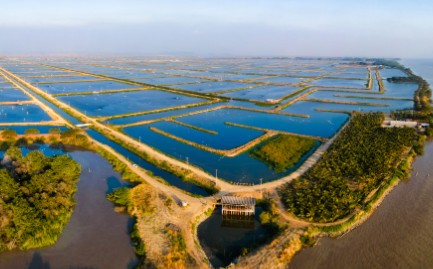
Shrimp farms stretch to the horizon on Ecuador’s coast.
How does a tiny Andean state do that? My research began at the local picantería tavern. On a busy weekday, waiters dished out plantain balls, tripe stew and yuca encebollado, an onion-dressed fish soup. Yet in a coastal restaurant, few customers seemed to be eating shrimp. The fact is most can’t afford it. Tuna and crab are cheaper, as are pork and chicken. Surely that is a disadvantage, I asked José Antonio Camposano of the National Chamber of Aquaculture, a trade group. Not so. “That’s really been one of the factors behind our success,” he told me.
Ecuadorian producers churn out eye-watering volumes of frozen crustacean for its biggest customer: the voracious Chinese middle class. In India, processing plants rule the roost, buying small amounts from thousands of farmers to make peeled and breaded prawns for portion-conscious Americans. This makes it harder for them to scale up. To understand the difference, Mr Camposano suggested driving to Durán, a suburb of Guayaquil, to meet Grupo Almar, Ecuador’s second-largest producer.
It was quite the experience. A shrimp plantation can be overwhelming at the best of times. Think scorching heat, dirt roads rammed with lorries, and a pungent smell of feed. I was still suffering from food poisoning, having spent the previous days purging a shrimp ceviche. But discomfort quickly gave way to fascination. Grupo Almar’s compound is 5,000 hectares, roughly the size of Manhattan. Vertical integration has turned it into a wizzy complex boasting larvae hatcheries, packing facilities and a microbiology lab. This technology has totally transformed production.
Underwater microphones record the sound of shrimp eating to determine their taste and hunger levels. Feed is then tailored by amount and ingredients: automated tanks drop pellets, normally every three minutes, minimising waste. This yields cheaper production, a lighter carbon footprint and better survival rates, since decomposing feed consumes oxygen. And with pricey water filters, efficiently stocked ponds and scarce use of antibiotics, Ecuador’s methods are cleaner than those in Asia. The result is a lean, mean, market-conquering machine.
It is also a source of national pride. Shrimp-farming is not without flaws and critics have decried land-grabbing and mangrove destruction. Yet in a country riven by energy blackouts, food insecurity and drug-related violence, there is beauty to Ecuadorians dominating this high-tech industry. Even if that means the odd journalist suffers a night on the toilet.
__________________
Credit: Economist Daily Bulletin



Hogar Esperanza News



Fund Grace News

Fabianos Pizzeria News

The Cuenca Dispatch

Week of September 06

U.S. sinkings of Ecuadorian fishing vessels trigger court scrutiny after 28 crew members are released.

Cuenca targets a November launch for its first new international link to Chiclayo.
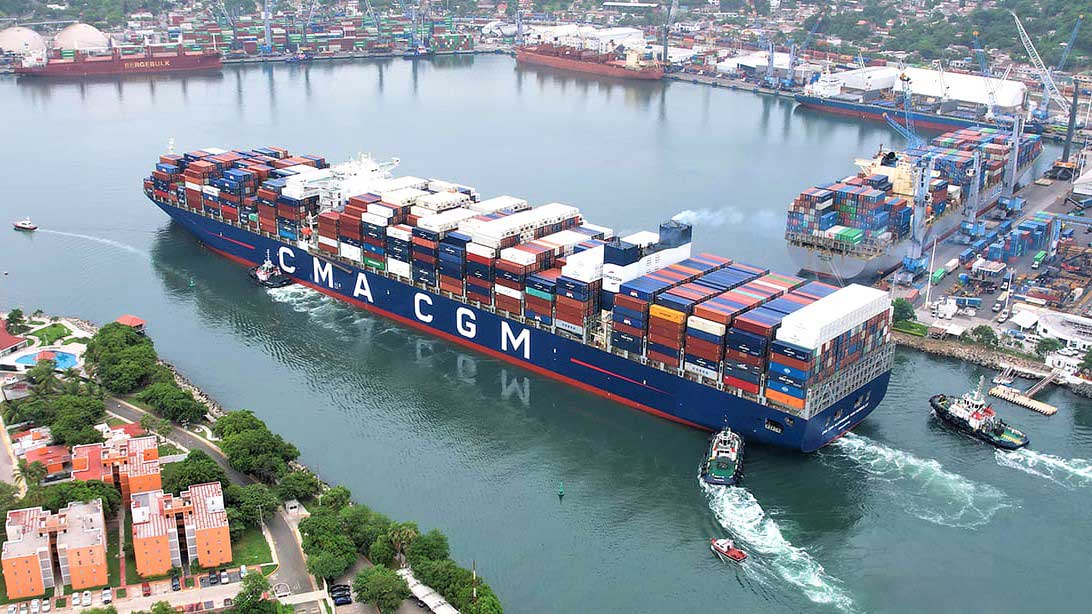
Exports hit a quarterly record, but Ecuador’s import bill is rising even faster.