












Twenty years of left-wing rule ends quietly in Bolivia
By Thomas Graham
Election day might be the only time La Paz lives up to its name. There are no cars, no fumes and no honking horns in the Bolivian capital. Families enjoy the day out; skateboarders have the run of the place. This time, there weren’t even the customary riot police outside the electoral court.
On Sunday Rodrigo Paz, a centrist senator, comfortably beat his conservative rival Jorge Quiroga to become Bolivia’s next president, bringing an end to two decades of almost uninterrupted rule by the Movement to Socialism (MAS). And it all happened with barely a protest or an allegation of fraud.
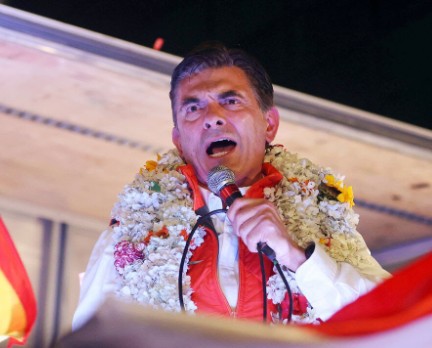
Bolivia’s president-elect, Rodrigo Paz
This, in a country where a little over a year ago a disgruntled general tried to seize power by crashing through the doors of the presidential palace in an armoured vehicle and squaring up to the president. And where just a few months ago, amid chronic fuel shortages and lethal protests by the former president Evo Morales, who was prevented from running by a court ruling, some were wondering if the elections would even happen.
The lack of fuss might be because Bolivians are exhausted. The last few years under the MAS have been a kind of prolonged agony. The government has all but run out of dollars. Bolivians cannot freely access their dollar savings, and dollars on the black market cost almost double the official exchange rate. As a result imported fuel is scarce and inflation has spiked. The MAS tried to keep the party going with fiscal deficits exceeding 10% of GDP. But its economic model is spent. “We’re tired of poverty, of rising prices,” said María del Carmen, a young accountant wearing Mr Paz’s signature orange gilet. “The corruption has left us rotten. In 20 years it has killed Bolivia.”
The cleanup is going to be a Herculean task. Mr Paz won over disillusioned MAS voters by promising a kind of third way between the MAS and its traditional opposition, by protecting social spending while promoting private-sector growth. But he’s been tactically vague on just how he plans to bring the deficit down and where he will find the dollars to keep importing fuel, restore the financial system and adjust the fixed exchange rate. All quite important details.
So don’t expect the strange peace that has settled on Bolivia to last long. Mr Paz takes power on November 8th; then the tough decisions begin. As the cuts to public spending begin to bite, Bolivia’s unions will resume their usual service of street protests. How Mr Paz paces the adjustment and manages the pain will be key. Mr Morales will no doubt be watching with interest from his hideout in the coca-growing tropics, waiting for the moment to make his bid to lead the resistance.
________________
Credit: El Boletín, The Economist



Hogar Esperanza News

Fabianos Pizzeria News

Fund Grace News

The Cuenca Dispatch

Week of September 20
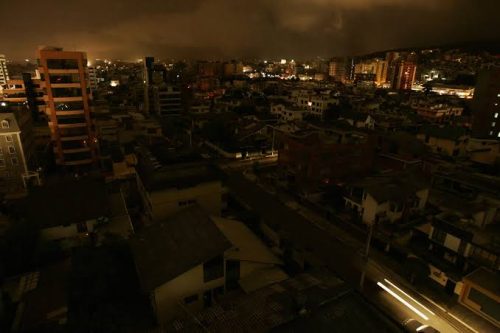
Ecuador turns to industrial power cuts to protect Mazar and keep homes from going dark.
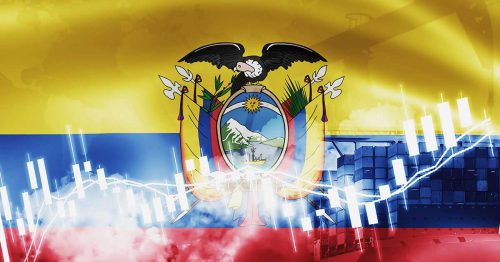
Ecuador raises its 2026 growth forecast, but El Niño could spoil the outlook next year.
Cuenca retirees challenge medical and therapy changes at IESS senior center.