














When the landlord says one thing and the contract says another
By Garry Vatcher
Renting an apartment in Cuenca can seem remarkably simple. You find a place you like, agree on the rent, hand over a deposit, sign a contract, and move in. Then something breaks. That is often when you discover that the relationship between a landlord and tenant in Ecuador can be very different from what you are used to.
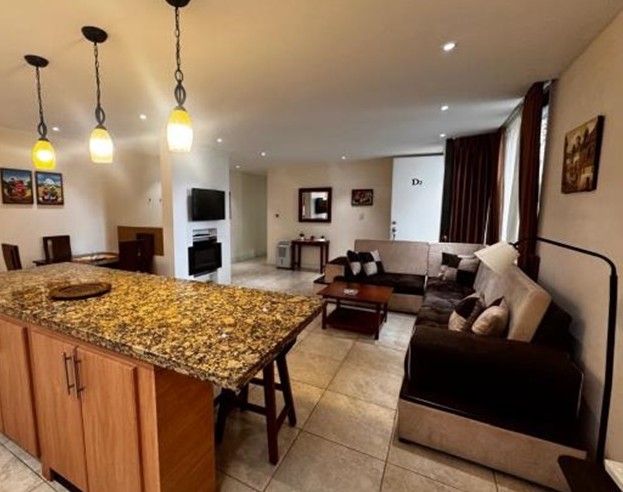 Consider a typical expat couple. We will call them John and Linda. They rented a furnished apartment in Cuenca for one year. The landlord was friendly, the apartment looked beautiful, and everything seemed straightforward. The landlord told them:
“Don’t worry. If anything goes wrong, just call me.” So, they signed the contract.
A few months later, the hot-water heater stopped working.
John called the landlord. The landlord said it was the tenant’s responsibility. John disagreed. The heater belonged to the apartment and had been there when they moved in. The landlord responded that John and Linda had been using it, so they should pay to repair it. The repair was not particularly expensive, but the disagreement revealed a much larger problem.
Neither John nor Linda had carefully read the Spanish-language rental contract. They had relied on what they had been told verbally.
The Security Deposit
Then came the next problem. When John and Linda had moved into the apartment, they had paid two months’ rent as a security deposit. They had assumed that money would simply be returned when they moved out.
But they had never prepared a written inventory of the furniture. They had not photographed the condition of the apartment. They had not documented the scratches already on the dining-room table, the stain on the sofa, or the crack in one of the bathroom tiles.
At the end of the lease, the landlord claimed that several items had been damaged. John and Linda insisted the damage had already been there.
The landlord asked them to prove it. They couldn’t. Their friendly handshake agreement suddenly did not seem quite so friendly.
Utilities Can Add Another Surprise
Utilities can also create confusion for tenants. Electricity and water accounts are often connected to the property owner or the property itself. A tenant may simply be given an account number or payment code and told to pay the bill each month. That works perfectly well — until there is a dispute. A tenant may discover an old unpaid balance.
A landlord may say a particular charge belongs to the tenant. The tenant may say it existed before they moved in.
Without a beginning meter reading, receipts, or documentation, it can become very difficult to determine who actually owes what.
This is why we constantly tell people:
Keep your receipts.
A verbal assurance that something has been paid is not the same as proof of payment.
Who Pays for Repairs?
This is probably one of the most common sources of conflict.
The tenant says:
“It belongs to the apartment. The landlord should pay.”
The landlord says:
“It broke while you were living there. You should pay.”
Sometimes the answer is obvious. Sometimes it isn’t. Was the damage caused by normal wear and tear? Was it caused by the tenant? Was the appliance already old?
What does the lease say? Unfortunately, many people do not ask these questions until after something goes wrong. That is too late.
Furnished Apartments Create Even More Risk
Many expats rent furnished apartments, which can make the problem more complicated. You may be responsible for furniture, televisions, appliances, dishes, bedding, artwork, and dozens of other items.
If there is no detailed inventory at the beginning of the rental, disputes at the end can become a matter of one person’s word against another’s. Before moving into a furnished apartment, take pictures. Take lots of them. Save those pictures somewhere other than your phone. Have a written inventory signed by both the landlord and tenant. It may seem excessive when everyone is smiling and getting along. It will not seem excessive if the relationship later deteriorates.
What Happens When You Want to Leave?
Another common problem involves ending the lease. An expat may assume that because the lease expires on a particular date, they can simply move out. The landlord may expect advance written notice. There may be disagreements over the final month’s rent, utilities, cleaning, repairs, or the security deposit.
Then there is the question everyone asks:
“When will I get my deposit back?”
Sometimes the answer is immediately. Sometimes it is after outstanding bills have been calculated. And sometimes it becomes the beginning of another argument.
This is why the conditions for returning the deposit should be understood before you move in-not after you move out.
The Contract Matters
One of the biggest mistakes expats make is treating the rental contract as a formality. It is not. If the contract is in Spanish and you do not fully understand Spanish, have someone competent review it before you sign.
Do not rely solely on the landlord, the real-estate agent, the property manager, or a friend telling you:
“Don’t worry. This is a standard contract.”
You are the person who will be bound by it. Understand exactly what you are signing. If something important has been promised verbally, put it in writing.
Not Every Landlord Is Difficult
It is important to say this. Most landlord-tenant relationships in Cuenca work perfectly well.
There are many excellent landlords who take care of their properties, respond quickly when there is a problem, and treat their tenants fairly. There are also excellent tenants who respect the property and pay their rent on time.
The problem is not that landlords are bad, or tenants are unreasonable. The problem is that expectations are often different. Add language differences, unfamiliar laws, cultural differences, and assumptions carried over from another country, and a small disagreement can quickly become a major one.
Our Advice
Living in Ecuador requires some adjustment. The system is not necessarily better or worse than the one you left behind. It is simply different. And when it comes to renting a home, understanding those differences before you sign the lease can save you a great deal of money, frustration, and grief later.
The best landlord-tenant dispute is the one you prevent before it ever begins.
Learn More
Each Wednesday, Hogar de Esperanza hosts An Afternoon at the Hogar. It is a time where you can meet others, socialize, learn new things and ask questions. This coming Wednesday, August 26 from 2 until 4 our topic will be Landlord and Tenant issues. These sessions are free to attend. Our lawyer will be part of the presentation and we will discuss legal issues around renting and what legal protections you have.
If you wish to join this session, you can sign up here or contact Patricia at contact@hogaresperanza.org
_____________
Garry Vatcher is president and founder of Foundation Hogar de Esperanza. He has been coming to Ecuador since 1987 and permanently moved to Cuenca 12 years ago. The foundation provides emergency assistance to thousands of people each year. With his guidance, the foundation has forged alliances with some of Ecuador’s major institutions including hospitals, the National Police, Amazon communities, universities, and governments. The foundation has received numerous awards and recognition for its work from local and international bodies. For information about all Foundation Hogar de Esperanza projects, go to https://hogaresperanza.org