
















How the small town of Sigsig wove the tradition of the Panama hat into Ecuador and world history

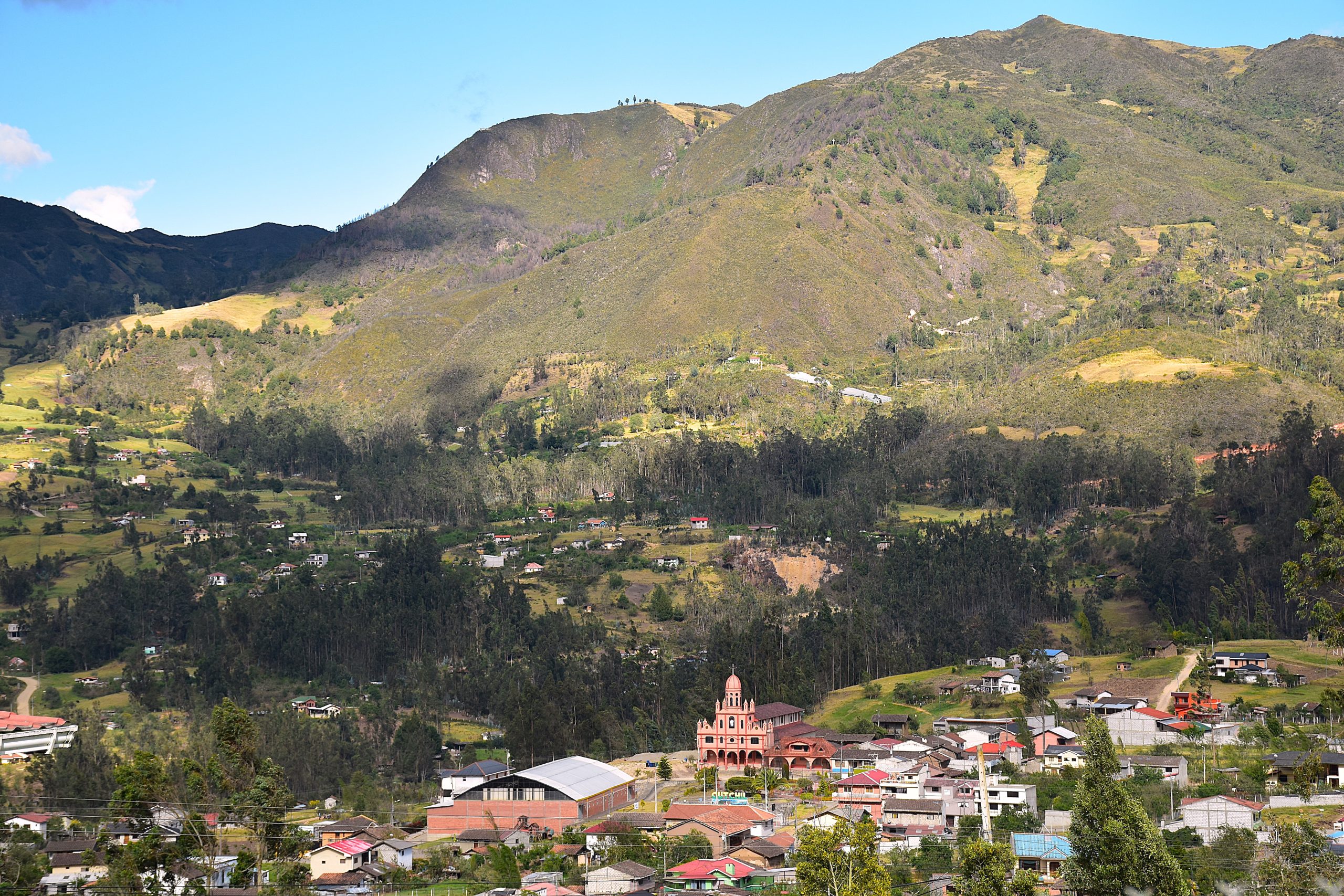
The canton of Sigsig, about an hour southeast of Cuenca, is a rich agricultural area of lovely small farms squeezed between steep bluffs and deep canyons. I had long been aware of the reputation the town of Sigsig enjoyed for being ‘picture-postcard perfect’: a lush panorama of rich architecture and awe-inspiring views. The city center was designated a UNESCO Heritage Site in 2006.
I was not as aware of the esteem that the women of Sigsig are accorded in the fashion houses of Europe, North America, and Asia. Nor did I know how fully they deserved the honor.
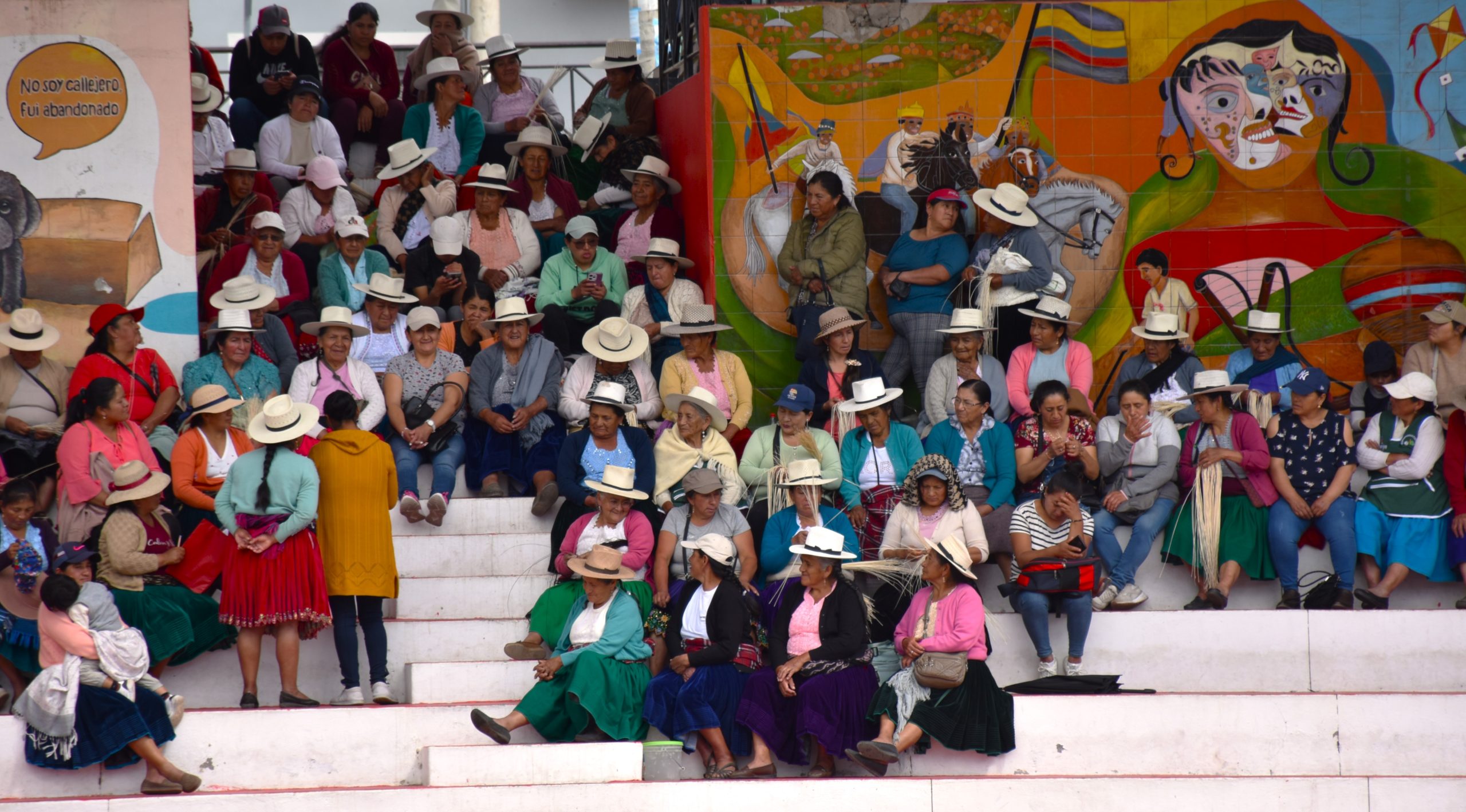
The good women of the Asociacion de Toquilleras Maria Auxiliadora, Sigsig, Ecuador, have dedicated themselves to preserving what is arguably one of the most exquisite traditions of Ecuador.
Weaving the classic Panama hat.
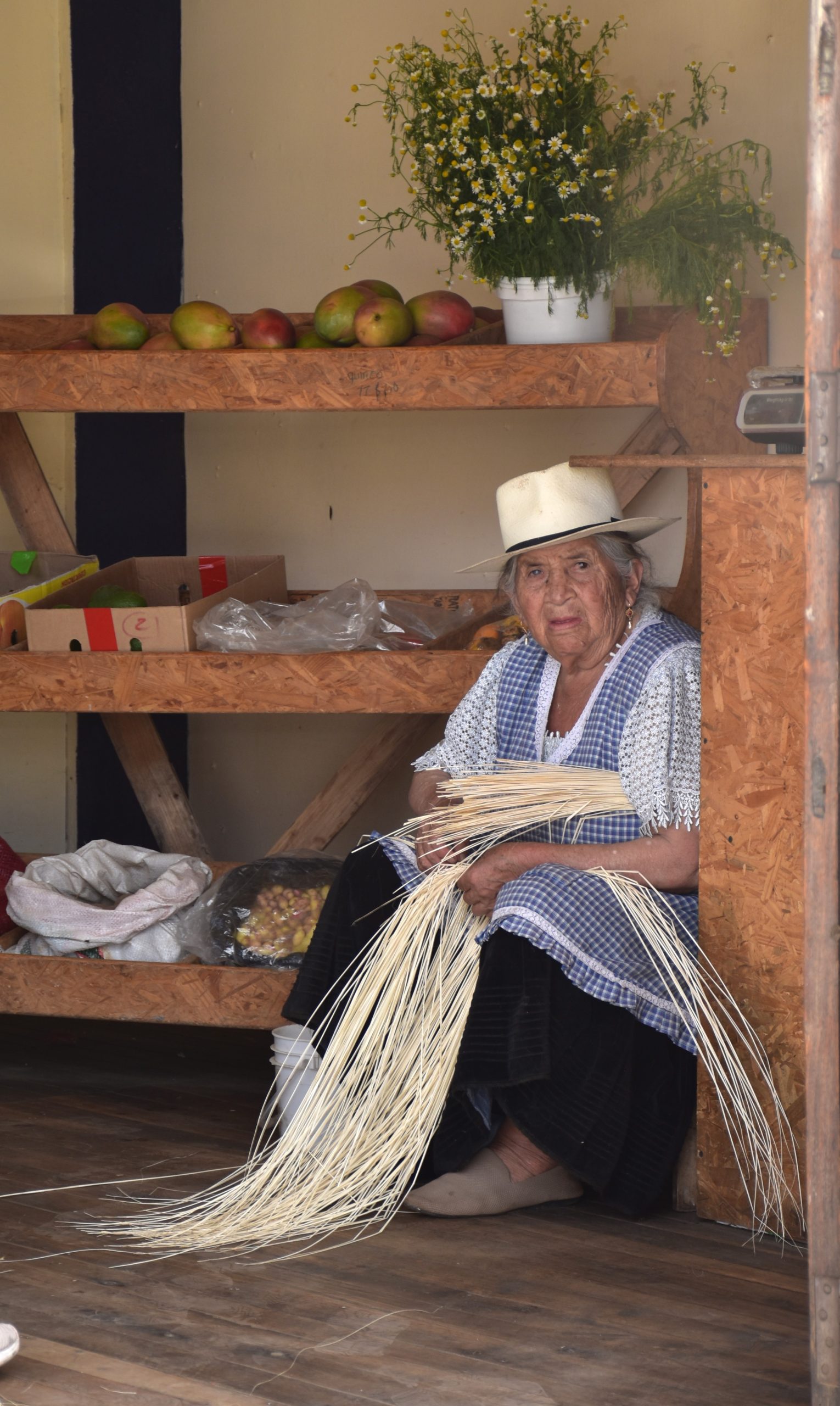
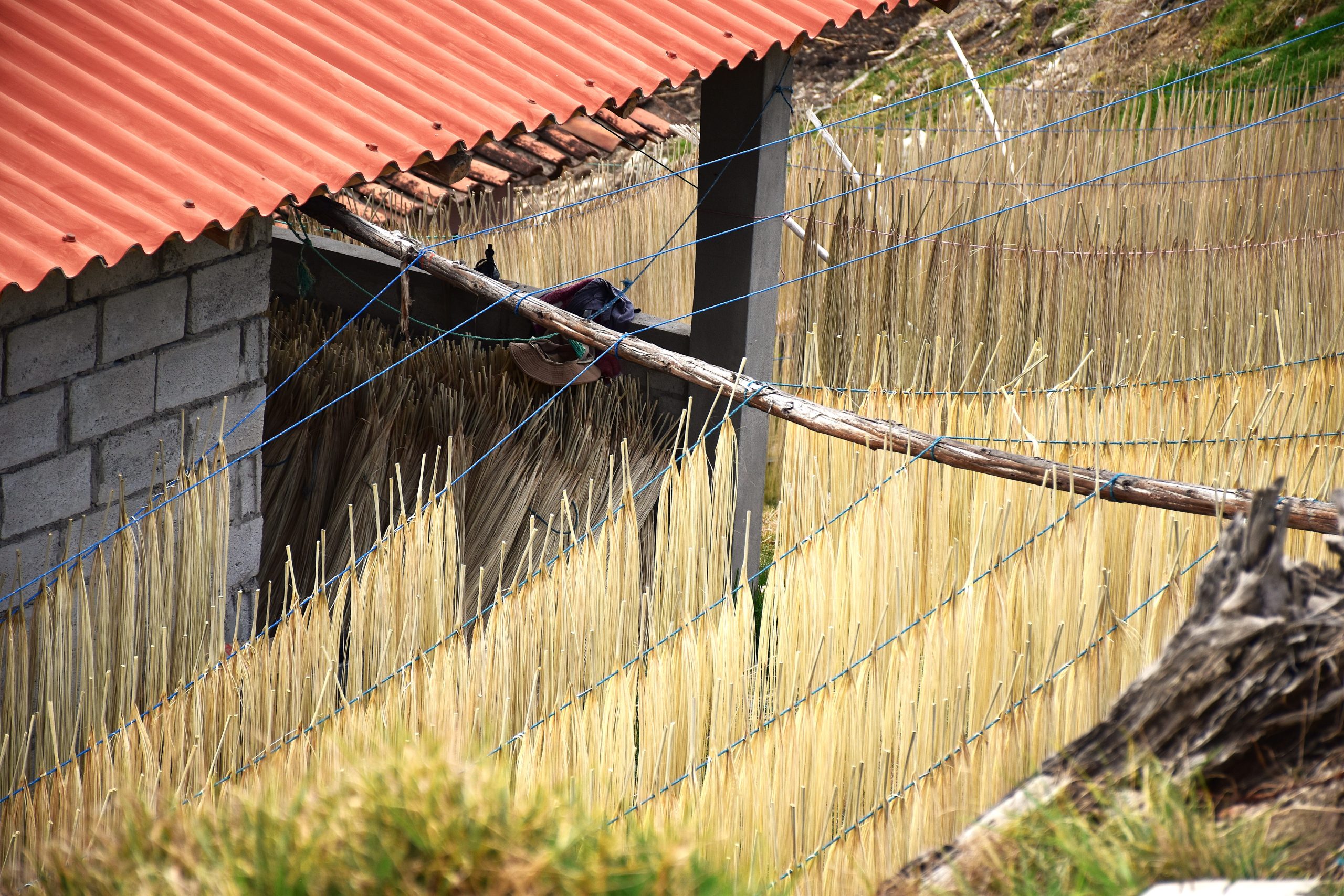
Historians can trace the origins of Toquilla Hats as far back as the Valdivian culture circa. 3,500BC. The indigenous people of the time used the substantial and extended leaves of the toquilla to weave a light cloth, which was pliable and durable enough to create hats for protection from the harsh equatorial sun. From those times forward, the inhabitants of the coastal lands cultivated toquilla to trade with the artisans and weavers of the Sierra, who, impressed with the quality of the long fibers, quickly realized that their neighbors on the coast had, indeed, found the perfect material for weaving exquisite hats.
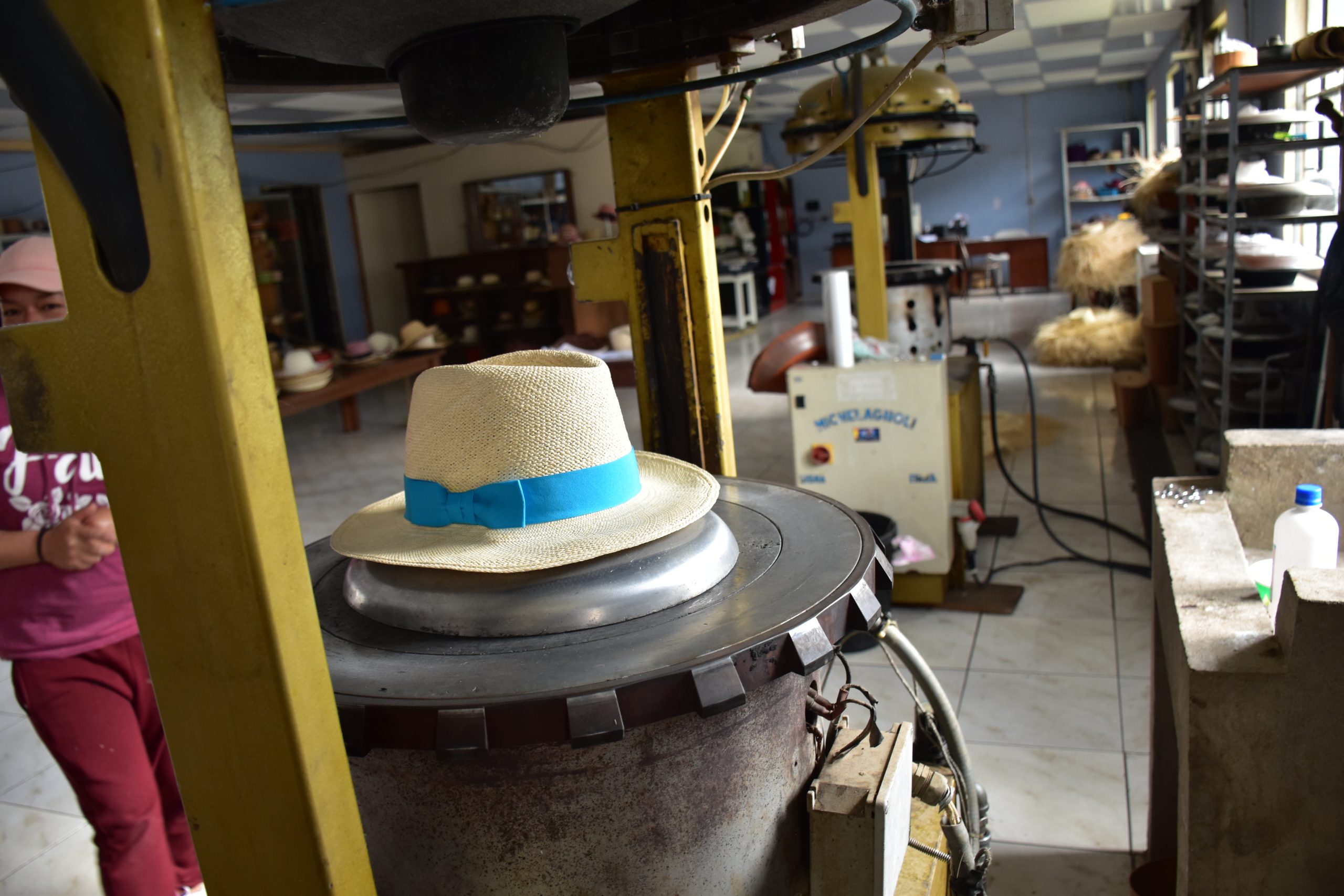
Their instincts proved to be true. By 1700, hats woven in Ecuador were established as first-rate quality and a must-have fashion accessory.
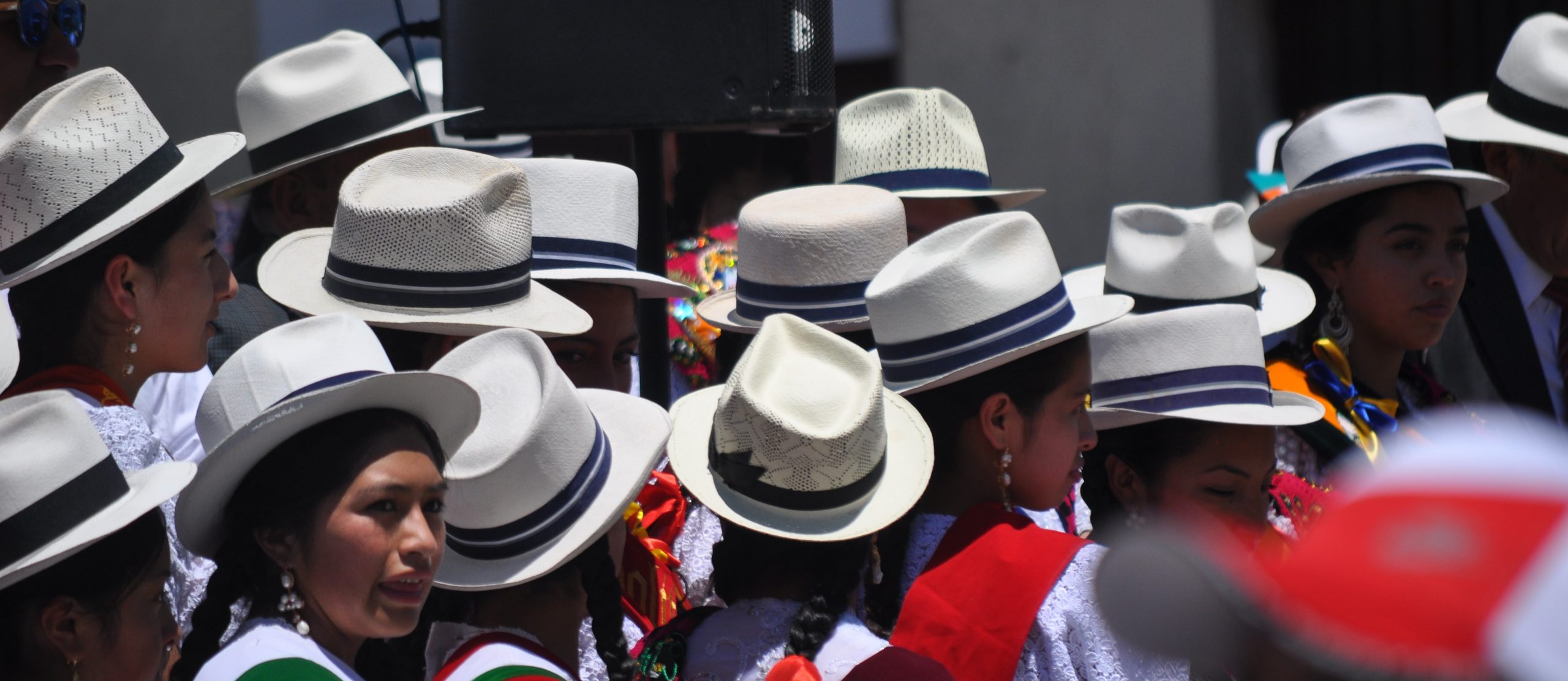
The Paris Universal Exposition in 1855 drew worldwide interest. Queen Isabella II of Spain ordered an infantry company to wear the “Jipijapa hat” woven by traditional weavers of Ecuador as part of their parade dress in 1859. The hat became an instant hit and sold briskly throughout Europe. Gold seekers on their way to California wore Jipijapa hats made in Ecuador during the gold rush, just as workers at the Panama Canal wore them daily to fend off the sun and beat back the oppressive heat of the jungle. It was those canal workers, in fact, who gave the hat its iconic name.
As most of you know, newsreels around the world broadcast U.S. President Teddy Roosevelt as he famously waved his toquilla hat to tourists while visiting the brand-new and exotic Panama Canal. In fact, TR’s hat made as much of a stir as the most significant engineering feat of the century. simple wave of his toquilla hat on that hot afternoon ignited a time-honored style that has remained popular ever since.


It is a tradition that has not only endured for decades but is making another resurgence as a must-have accessory for the well-dressed man or woman wishing to reflect both coastal whimsy and downtown sophistication simply with “a tip o’ the hat.”
The legend of the Panama Hat is born.

But not really.
The true birthplace of the Panama hat was in the sod and reed-wrapped rooms that cuddled a confusion of small sounds; creative young weavers who, so many years ago and beyond their knowing, blended their identity and their peoples’ destiny into a most elegant and exquisite fabric that became the soul of an enchanting Colonial village perched atop ancient ruins high in Ecuador’s southern Andes.