














China will dominate the AI and high-tech markets unless Western education improves, tech expert says
By Lance Amison
According to one social media entrepreneur, there is no mystery why the Chinese AI program DeepSeek surged to the forefront of the emerging technology. “China’s educational system is far superior to those in the U.S. and Europe,” says Telegram founder and CEO Pavel Durov. “The Chinese promote a rigorous agenda in schools, promoting competition and acknowledging winners. On the other hand, most western schools take a soft approach and discourage competition.”
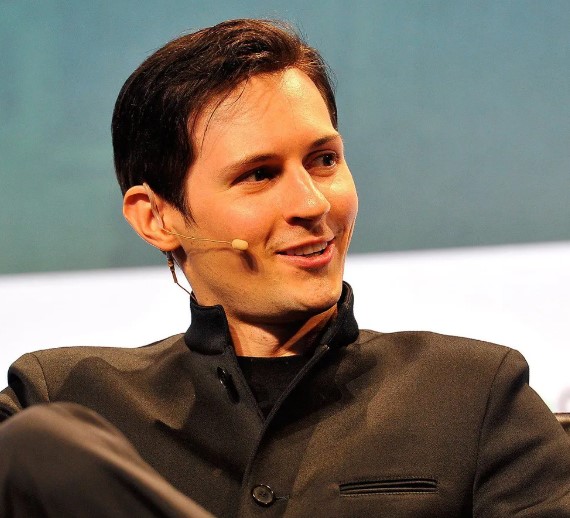
Telegram founder and CEO Pavel Durov
Durov says China’s rapid progress in AI, exemplified by DeepSeek’s success, puts China’s educational superiority on display. Without a radical change to educational philosophy in Western schools, Durov says the Chinese will soon dominate the artificial intelligence as well as other high-tech markets.
“Chinese students have long outperformed others in math and programming at international olympiads,” Durov says. “When it comes to producing outstanding performers in math and science, China’s secondary education system is superior to that of the West. It fosters fierce competition among students, a principle borrowed from the old but highly efficient Soviet model.”
He explains what the U.S. and European educational system is doing wrong. “In contrast, most Western schools discourage competition, prohibiting public announcements of students’ grades and rankings. The rationale is understandable – to protect students from pressure or ridicule. However, such measures also predictably demotivate the best students. Victory and defeat are two sides of the same coin. Eliminate the losers – and you eliminate the winners as well,” Durov says.
He argues that concealing student rankings and discouraging competition undermines motivation, leading many talented students to seek fulfillment in areas like competitive gaming rather than academics. “It’s not surprising that many gifted kids now find competitive gaming more exciting than academics — at least in video games, they can see how each player ranks. They can see who the winners are.”
Durov emphasizes that in the real world, competition is inevitable. From sports to business and science, performance is always ranked and evaluated. This spirit should be incorporated into Western education, he says.
“Telling all students they are champions, regardless of performance, may seem kind – until you consider how quickly reality will shatter this illusion after graduation,” says Durov. “Reality, unlike well-meaning school policies, does have public grades and rankings – whether in sports, business, science, or technology. AI benchmarks that demonstrate DeepSeek’s superiority are one such public rankings — and warning too. And more are coming. Unless the U.S. and European secondary education systems undergo radical reform very soon, China’s dominance in technology seems inevitable.”
Durov adds: “If U.S. education and its European counterpart want to compete in emerging technology, they need to make changes immediately. Otherwise, China will leave them in the dust.”