

















Although going gluten-free is essential for some, most of its promotion is a marketing gimmick
By Christina Heiser
Gluten-free eating has skyrocketed in popularity over the past decade, fueled by claims that cutting gluten leads to better health. This trend shows no signs of slowing down, with the global market for gluten-free foods projected to be valued at $14 billion by 2032.
But is ditching gluten a good idea? While some people must cut it out for medical reasons, millions of others have embraced the diet without a clear need. Here’s what science says about gluten, why it’s become so controversial, and what happens to your body when you stop eating it.
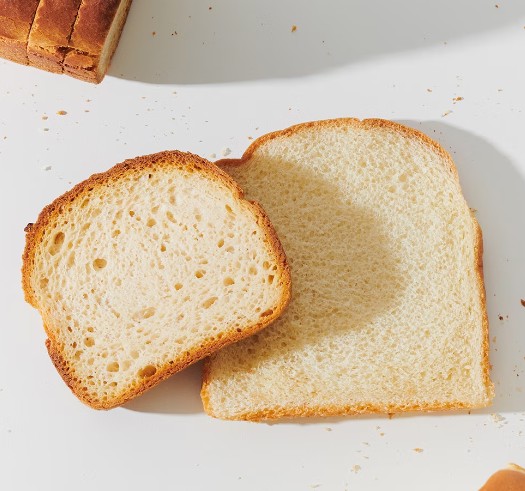
Gluten, a protein in wheat, barley, and rye, gives bread its chewy texture and structure. Though harmless for most people, it has become a target of dietary trends, fueling the rise of gluten-free eating.
What is gluten, and should you avoid it?
“Gluten is a protein found in wheat, rye, and barley,” says Melinda Dennis, a registered dietitian and nutrition coordinator at the Celiac Center at Beth Israel Deaconess Medical Center in Boston (BIDMC). “It acts as a binding agent in food, meaning it gives structure to bread and adds texture and taste.”
Despite its bad reputation, gluten isn’t inherently unhealthy. In fact, wheat — a key source of gluten — is full of good-for-you nutrients. “It’s packed with protein, fiber, iron, and vitamins,” says Dennis. “Whole wheat, in particular, can play a beneficial role in the heart-healthy diet.”
For most people, there’s no scientific reason to cut out gluten, says Ciaran Kelly, a gastroenterologist and medical director of the Center for Nutritional Health at BIDMC. However, some people do need to avoid it.
“Patients with celiac disease, an autoimmune disorder, have developed an immune-mediated reaction to gluten,” says Kelly. “If they’re exposed to gluten in their diet, there’s injury and damage caused to the small intestine, so they’re the number one group of individuals who must be on an absolutely strict gluten-free diet.”
Others may have non-celiac gluten sensitivity (NCGS), a condition where people experience digestive discomfort from gluten but don’t have the intestinal damage associated with celiac disease, says Kelly. Meanwhile, individuals with a wheat allergy should avoid wheat but don’t necessarily need to eliminate all gluten-containing foods, says Kelly.
People with irritable bowel syndrome (IBS) may see improvements in their GI symptoms on a gluten-free diet, “although the improvement is usually partial and not complete,” says Kelly.
Why does gluten get such a bad rap?
Gluten-free labels didn’t appear on packaged foods in the U.S. until 2014, when the FDA began regulating them. Suddenly, products that never contained gluten — like bottled water or potato chips — began advertising their gluten-free status, reinforcing the idea that gluten was something to avoid.
“Personally and professionally, I think it’s a side effect of food marketing,” says Janelle Smith, registered dietitian at the UCLA Vatche and Tamar Manoukian Division of Digestive Diseases, who has celiac disease herself.
Unlike a “heart-healthy” label, gluten-free doesn’t mean healthier—it simply marks the absence of an allergen. Yet, brands expanded their market by making it seem beneficial for everyone, despite only one percent of the world’s population having celiac disease.
________
Credit: National Geographic



Hogar Esperanza News

The Cuenca Dispatch

Week of September 20

Ecuador turns to industrial power cuts to protect Mazar and keep homes from going dark.
Ecuador raises its 2026 growth forecast, but El Niño could spoil the outlook next year.

Cuenca retirees challenge medical and therapy changes at IESS senior center.
Fund Grace News

Fabianos Pizzeria News