






Let’s talk about it: Medical emergencies and end of life happen to all of us
By Miriam Drake, M.Ed., N.C.C., C.H.t.
When my husband and I moved to Cuenca, Ecuador in 2011, our plan was to create a new, fun, life adventure together. Medical emergencies, incapacitation, and end of life never even entered our minds. In other words, we were completely unprepared when all of these happened to us.
If you are living in Cuenca, or considering a move to our fair town, consider taking the seminar I have created, “Expat Medical Emergency Preparation”. Not a glamorous name, but this seminar will give you information you can use to build a plan for yourself and your expat friends in case of medical crises. Based on the actual experiences of my late husband Fernando and I, this practical, boots on the ground information can help you to understand and think about how you can create a workable system that will see you through your time of need.
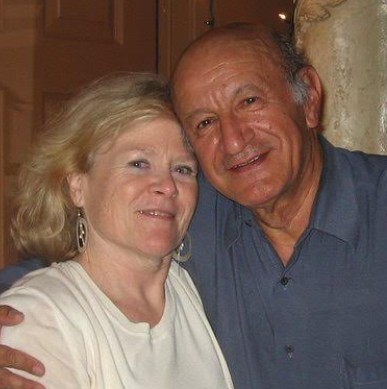
Miriam Drake and her late husband Fernando Raphael Paez Navarrete.
Three months after my husband died in Cuenca, after a year of a series of medical crises, I began thinking that no one would ever want to go through what I went through, alone and without any knowledge: my husband’s massive stroke, incapacitation, four emergency hospitalizations, two emergency surgeries and the final stroke in FASEC, the nonprofit hospice care center.
That year taught me many things. I was completely unprepared to deal with the health care system here. I was unprepared to attend to the huge number of unpredictable changes in my husband’s health status and in caring for him in a changeable and foreign environment. There was also the coping and adjusting to the way things work or don’t work here. The details, stresses, decisions, and overwhelm were ever-present. Back then, I was alone dealing with all of this. Some friends helped in whatever ways they could, but it wasn’t enough. I had no knowledge, no strategy, no documents, no assistance, and very little Spanish. Our families were abroad, and no one would come to help me. I desperately needed another person by my side all the time. That never happened.
The learning curve, the reinvention curve, and the desperation curve were steep. I literally had to figure things out in my sleep, and as I went, minute by minute. If you have ever been a caregiver, you know what I mean. Caregiving in a developing country is an added bonus (a little dark humor here). We were the first in our group of friends to go through this, and it was an eye opener for all of us.
Fortunately, there were several physicians on whom I could depend. They took a personal interest in us. These physicians saved my husband’s life twice, fixing the problems other doctors had created.
During the year after Fernando’s death, I began brainstorming with friends, and putting ideas together. I wrote up many lists and procedures. I began compiling strategies and organizing details. I realized that we, as expats, must set up an informed system of guidance and support for ourselves so that others would have a better experience and outcome than we did within the healthcare system here.
In May, 2015, I was invited by Wendy Carrell to join her in speaking to an audience of expats interested in hearing about medical crises and end of life in Cuenca. It was then that I realized that a seminar with step-by-step information would be helpful to many people. Over time, this seminar, “Expat Medical Emergency Preparation”, and the workbook were born. The seminars I give are dedicated to the memory of Fernando Raphael Paez Navarrete, my late husband, U.S. and Ecuadorian citizen, U.S. Army Veteran, and successful businessman.
The next seminar will be offered on Wednesday, July 23 from 10 am- noonish. The seminar, Expat Medical Emergency Preparation, contains the following topics and resources:
- The ten steps, your “to do list” to complete now to prepare yourself.
- Overview of the power of attorney, declaration and testament forms.
- Steps to take in the event of an emergency.
- Assisted Living, Palliative and Hospice Care in Cuenca.
- End of Life information, including steps to take to register a death with the Ecuadorian and U.S. authorities.
- List of vetted local resources that expats have found helpful, from doctors to physical therapists to medical supplies.
- Forms you can use: Medical history form; Poder worksheet considerations; 5 wishes form; Confidential data worksheet for power of attorney; and Needs assessment worksheet
What you must complete before a medical emergency occurs:
- Locate a primary care physician
- Complete a medical history in English and Spanish
- Complete your Declaracion document with an Ecuadorian attorney.
- Choose 2 or 3 people in your new country to whom you will give Power of Attorney, for general and medical decision-making.
- Organize your Power of Attorney thoughts, and then complete the documents with an Ecuadorian attorney.
- Locate a verbal translator.
- Locate 2-3 service-oriented, reliable and caring taxi drivers.
- Set up a group of 10-15 reliable expat friends for mutual assistance and support in times of need.
- Start thinking about setting up a co-housing residence with your new friends for mutual benefit.
- Begin learning the language of your new country.
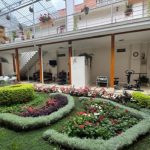
The next seminar will be offered Wednesday, July 23, 10 am- noonish at Vieja Maison on Luis Cordero. Come early for breakfast, stay after the seminar for lunch. The Welcome table will be ready for you at 9:30am.
By Reservation only. RSVP to expatmedassist@gmail.com and let Miriam know how many in your party.
Tuition for the seminar, which includes the seminar, the book and handouts is $30. Please bring exact change.
________________
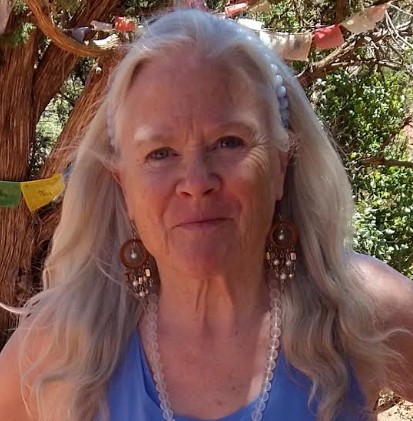 Miriam Drake, M.Ed., N.C.C., C.H.t., is a National Board-Certified Counselor with over 30 years experience serving adults. She also has experience in healthcare administration for many years in Seattle, Los Angeles, and San Diego areas. She can be reached at: expatmedassist@gmail.com


Hogar Esperanza News
Fund Grace News
The Cuenca Dispatch

Week of September 20
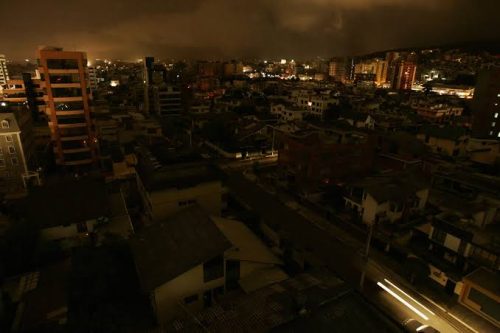
Ecuador turns to industrial power cuts to protect Mazar and keep homes from going dark.

Ecuador raises its 2026 growth forecast, but El Niño could spoil the outlook next year.
Cuenca retirees challenge medical and therapy changes at IESS senior center.
Fabianos Pizzeria News