
















Noboa summons mayors ahead of Rubio visit; Moreno bribery hearing postponed; Hydroelectric system is at full capacity; Ecuador to accept U.S. deportees
President Daniel Noboa will meet with the mayors of Quito, Guayaquil and Cuenca on Tuesday, two days before his visit with U.S. Secretary of State Marco Rubio. According to presidential spokeswoman Carolina Jaramillo, the president wants to share the topics he will discuss with Rubio with Quito’s Pabel Muñoz, Guayaquil’s Aquiles Alvarez and Cuenca’s Cristian Zamora.
“The president, Foreign Minister Gabriela Sommerfeld and Interior Minister John Reimberg want to review with the mayors the national plans to restore security and fight international drug cartels ahead of the meeting with Secretary Rubio,” Jaramillo said. “The subjects of improving intelligence services and refuges will also be discussed.”

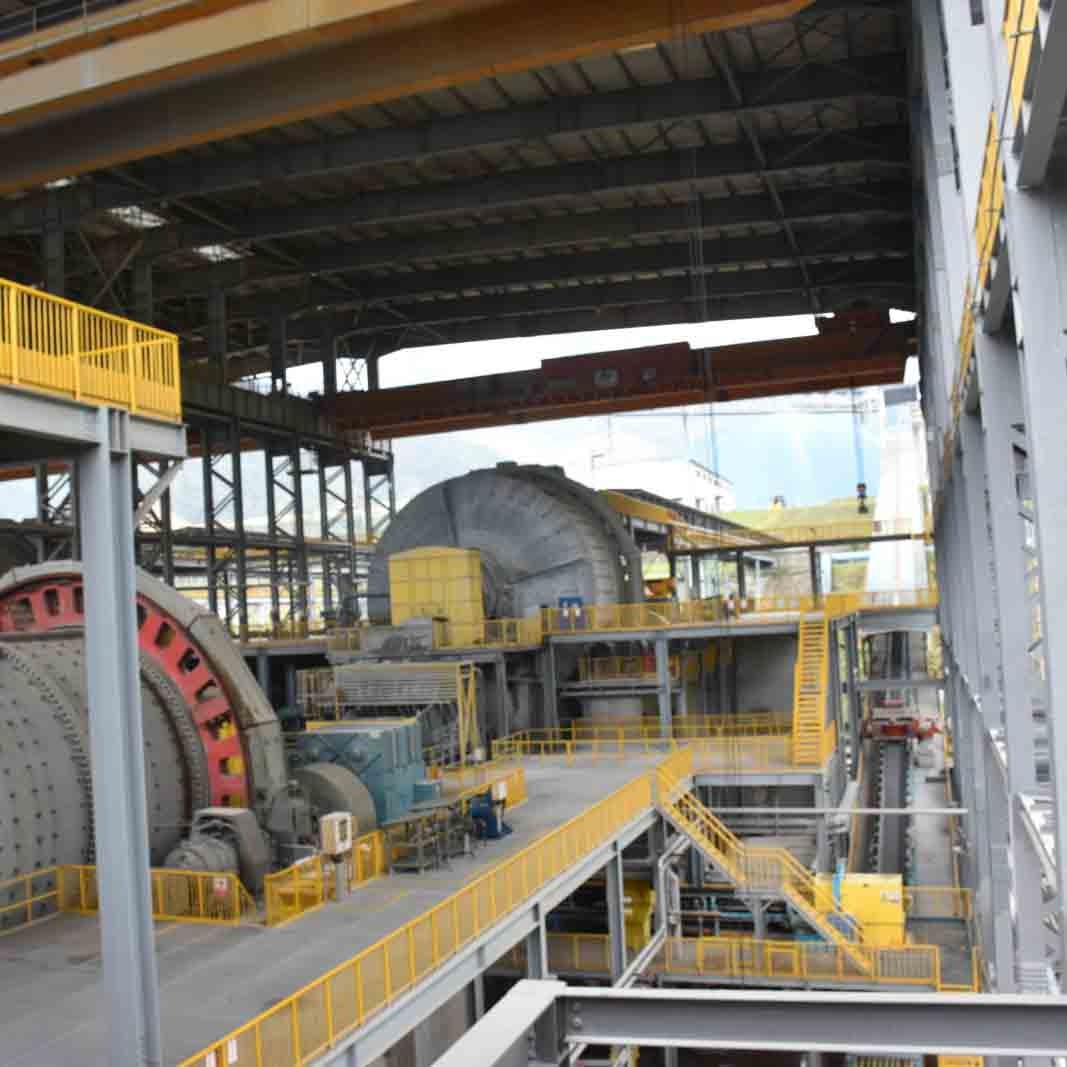
Hydroelectric plants downstream from the Mazar reservoir produce almost half of the country’s electricity.
She added: “This is a courtesy call but also a chance to share ideas with the leaders of the country’s largest cities, since the issues they raise may be part of Thursday’s meeting with U.S. officials.”
Staff members from the U.S. Embassy, including the Chargé d’Affaires, will attend Tuesday’s meeting with the mayors, according to Jaramillo.
Hydroelectric system is at full capacity
The country’s hydroelectric system is entering the dry season in “excellent condition,” according to the Energy Ministry. “Fortunately, the scenario for hydro power generation is much improved from a year ago,” ministry consultant Juan Miller said Monday. “This time last year, we were suffering a severe drought and our reservoirs and rivers were at historically low levels. Today, we are almost at full capacity.”
Despite lower rainfall totals in July and August, Miller said the reservoir at the Mazar complex in Azuay Province is at maximum capacity. “At the beginning of September last year, we were at less than 50% capacity and beginning to consider electric blackouts.”
Miller said the flow levels of the Rio Paute and its tributaries remain strong, due to recent rains and storage in upstream watersheds.
The flow level on Rio Coca, at the Coca Codo Sinclair plant, the country’s second largest hydroelectric producer, also remains strong, says Miller. “We are at 200% of the flow rate of September 1, 2024,” he said. He added that Coca Codo is back in operation following an August shutdown for cleaning.
Moreno bribery hearing postponed
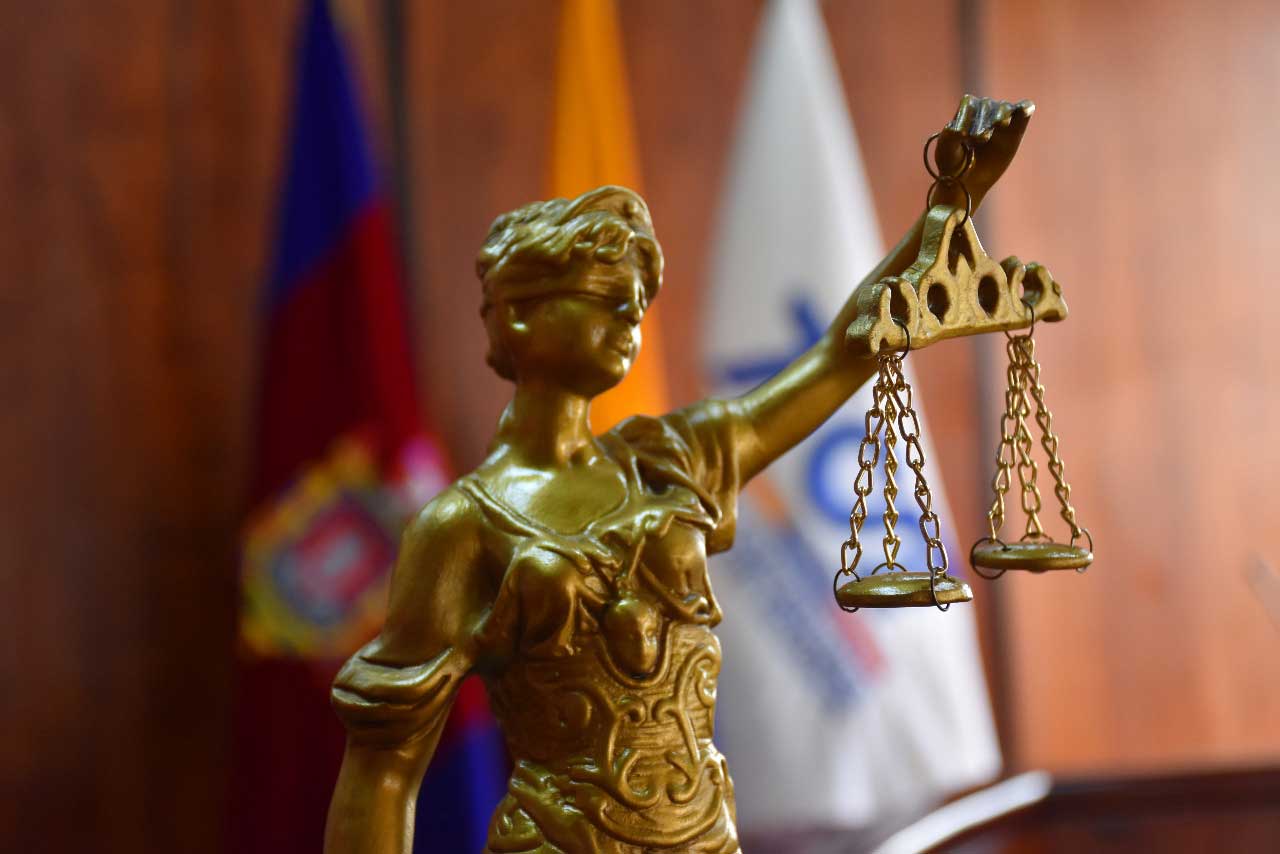
A judge has posted a preparatory hearing in the Sinohydro corruption case that alleges former president Lenin Moreno accepted bribes from the Chinese contractor. The former president’s attorney, David Meza, is claiming Moreno cannot be charged due to immunity granted by his office.
Because a preliminary investigation began while Moreno was president, Meza claims that only the National Assembly had the authority to charge him with a crime.
According to the Attorney General’s office, Sinohydro paid an estimated $76 million in bribes to government officials and subcontractors. Sinohydro was the prime contractor for the Coca Codo Sinclair hydroelectric project as well as two other smaller projects. Prosecutors claim Moreno was “involved in a wide-ranging network of corruption” surrounding Sinohydro, and that Moreno, his wife and daughter accepted bribes from the company.
Prosecutors deny Moreno’s claim he enjoyed immunity since he was out of office when the official investigation began in 2023.
Ecuador will accept U.S. deportees
Foreign Minister Gabriela Sommerfeld said Monday that Ecuador has agreed to accept 300 U.S. deportees per year. The announcement was made three days before U.S. Secretary of State Marco Rubio meets Thursday with President Daniel Noboa in Quito.
“The people we accept from the United States will be citizens of other Latin American countries who have no criminal record and who are in good health,” Sommerfeld said, adding that in most cases the deportees will be released to return to their home countries.
“Our agreement to accept a limited number of refugees, based on certain conditions, recognizes our friendship with the United States,” Sommerfeld said. “We understand their interest in securing their borders against narco-terrorists.”