













Noboa’s gasoline subsidy reduction has saved $1 billion but diesel and LP gas pose a bigger challenge
President Daniel Noboa has made a good start in reducing fuel subsidies, according to experts, but his biggest challenges lie ahead. “He has accomplished more than any president in the last 20 years by reducing subsidies for gasoline,” says Freddy García, Chief Economist at Andersen-Ecuador. “Now, he faces a much more formidable task with diesel fuel and gas.”
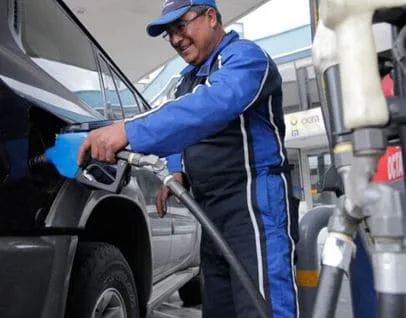
On Friday, President Guillermo Lasso froze gasoline and diesel fuel costs at current levels.
Since assuming office in November 2023, Noboa has gradually increased prices of Extra and Ecopaís gasoline from $2.47 to $2.75 a gallon, saving the government $1.04 billion per year based on Central Bank estimates. “By doing this incrementally he has avoided the protests and strikes that the governments of [Lenin] Moreno and [Guillermo] Lasso experienced,” García says. “The question today is can he eliminate the gas and diesel supports.”
According to the Finance Ministry, the government spent $1.5 billion for the diesel subsidy in 2024 and an additional $800 million for gas.
To date, Noboa has only managed to reduce the diesel subsidy $42 million annually when he ended it for the tuna fishing fleet. This was the “easy part,” García says, since it affected only a small segment of the market. To make real progress, he must confront local and long-distance bus companies and the trucking companies. “When he increases the price of diesel to market levels, it will increase the cost of bus tickets and delivery costs of food and other goods,” says García. “This is where it gets hard in terms of public reaction.”
The most likely approach to reducing the diesel subsidy is the one the government offered taxi drivers when gasoline prices were increased, García says. “They offered reimbursement for the additional cost but since taxi owners were a less than half of all gasoline consumers, the savings were significant.”
García doesn’t believe reimbursement will work for diesel users, however. “It defeats the main purpose of raising fuel prices to market levels,” he says. “Everyone, both the transport owners and the public, must expect prices to rise since they have been kept artificially low for years. It’s simply time to face reality.”
University of Guayaquil economics professor Theo Morejón says the elimination of diesel and gas subsidies would provide desperately needed funds for Ecuador’s health care and education systems. “I think this is how reducing subsidies should be presented to the public,” he says. “Our public hospitals and clinics are on the brink of collapse and education quality has been in sharp decline since the Covid pandemic and even before. These are crises the public understands and experiences personally.”
In recent interviews, Noboa has pledged that savings from reduced or eliminated subsidies would go to fund education and public health but has offered no specifics.
Eliminating the gas subsidy could be a bigger challenge than diesel, says Morejón. “This has been considered the third rail for politicians for many years,” he says. “[Rafael] Correa tried to end it but failed and no other president has even suggested it since then.
Ecuadorians pay $1.65 for a 15 kg. gas cylinder, plus delivery charges, while customers in Peru pay a market rate of $14 or $15.
Morejón continues: “Everyone agrees the gas subsidy should be targeted to the poor but nobody knows how to do it. With less than 25% of the population reporting income to the SRI, there is no reliable data on which to determine real need. Figuring this out is the challenge no one has been able to meet.”