












Political analysts say Noboa has a ‘high hill to climb’ following his resounding referendum defeat
Beyond a brief concession statement, President Daniel Noboa has given no indication of how he will respond to Sunday’s crushing referendum defeat. “Because of the magnitude of the loss, it is critical that he react immediately, to lay out a new approach to governance,” says political commentator and author César Ulloa. “If he fails to do this, he risks the fate of [former president] Guillermo Lasso.”

President Daniel Noboa
Ulloa and other analysts say that Tuesday’s announcement of seven ministerial cabinet replacements offers few clues to changes Noboa might be planning.
“The change of ministers is simply a distraction since the replacements do not indicate changes of action necessary for the president to regain public support,” says Ulloa. “Sunday night, he said he respects the will of the people and now is the time to show that respect, not to make changes that amount to window dressing.”
Mauricio Alarcón, director of the Citizenship and Development Foundation, says that Noboa has a “great opportunity to adjust his policies” to align with the interests of the public. “He must act quickly, however, to show that he received the voters’ message and has a plan to make the necessary changes.”
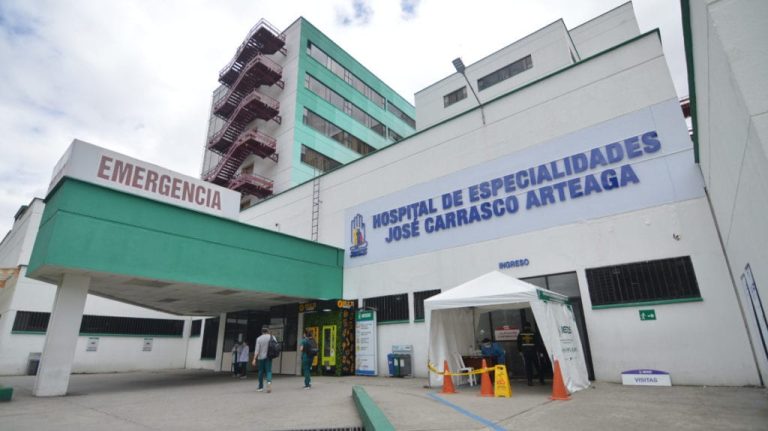
One of those adjustments, Alarcón believes, is to focus on public administration that improves the lives of Ecuadorians. “In recent months, the president has ignored the crisis in the public and Social Security health care systems. He has ignored the crisis in education where students are just now receiving the books and materials they needed in September. All his attention has been on confronting crime, but this is only one of many crises the country faces.”
By the numbers, Noboa’s fight against organized crime has been a failure, say Alarcón. “Look at the murder numbers and the expansion illegal mining activity. People are tired of the press announcements of arrests and mine closures when they see no overall improvement. Even on his top issues, voters have decided that Noboa has failed.”
Political analyst Lolo Echeverría says Noboa has a “high hill to climb” and his silence since Sunday suggests he doesn’t know where to start. “Make no mistake about it, the referendum was not only about four questions but also about the president himself,” says Echeverría. “Noboa, personally, was rejected overwhelmingly despite claims by his supporters that this is a temporary setback.”
According to Echeverría, the referendum was “solid rebuke” to the way Noboa is governing. “It is difficult to say at this point what he can do to return to the good graces of the people, but I suggest one possibility is to pay attention to the issues that affect them personally. Issues like collapsing infrastructure, like highways and schools, and health care come immediately to mind.”
University of Guayaquil professor Roberto Miller believes an early warning sign for the referendum was the massive march against a proposed gold mine near Cuenca in September. “This was the largest single protest in Ecuador history but Noboa’s advisors believed it was strictly a local action,” he says. “What it showed, in fact, was Ecuadorians’ strong support for environmental protections. In several post-election interviews, voters said they feared the government would reduce the rights of nature included in the current constitution. This is one reason that that the question to create a new constitution received the largest “no” vote of all four questions.”