













Recent rain boosts hydroelectric production; Former energy chief sanctioned by Assembly; Blackouts are reduced; Noboa, Colombia’s Petro meet in Galapagos
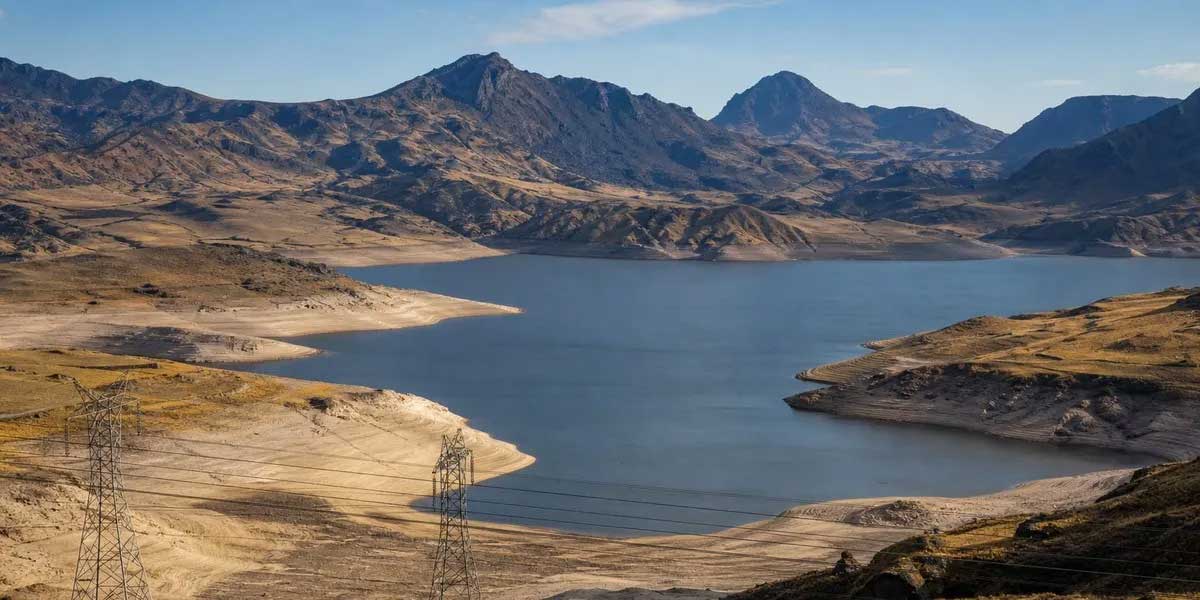
Due to increased rainfall, Ecuador’s hydroelectric generation capacity is rising, the Energy Ministry reported Saturday. Hydrologic conditions at the country’s two largest hydro facilities, at the Paute-Mazar complex in Azuay Province, and the Coca Coda Sinclair plant in Napo Province, have made “impressive improvements,” the ministry said.
On Friday and Saturday, the three hydro plants at Mazar were producing 1,200 megawatts of energy while Coca Coda Sinclair produced more than 900. Despite the production at Mazar, the reservoir level continued to rise, plant engineers report, standing at 2,115 meters above sea level Saturday morning.
The ministry also reported improving water conditions at the country’s smaller hydroelectric facilities.
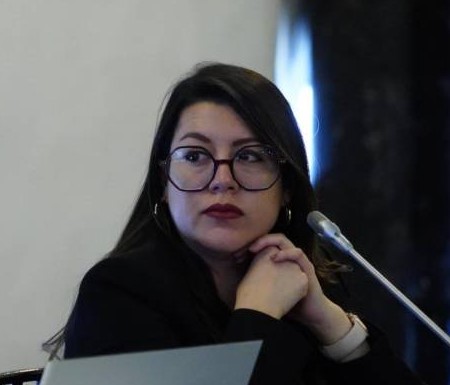
Former Energy Minister Andrea Arrobo
Former energy chief sanctioned by Assembly
Former Energy Minister Andrea Arrobo was sanctioned for “breach of duties” Friday by the National Assembly. With 112 of 137 votes, the Assembly determined that Arrobo’s “failure to perform her duties in the management of the energy crisis resulted in social and economic damage.” The sanction means that she is banned from running for public office or holding a public position for two years.
For the second time, Arrobo refused to appear before the Assembly, citing concerns for her safety and a “desire not to participate in a political circus.”
The Assembly’s action came a day after private conversations between Arrobo and President Daniel Noboa were made public. In the recordings, Arrobo warned Noboa in April that hydroelectric conditions at the country’s power plants were deteriorating and that electric blackouts would probably be necessary.
Most Assembly members agreed with Construye’s Jaime Moreno that the warning to Noboa did not absolve her from taking action to mitigate the impact of drought conditions on electric production. “Although the president shares some of the blame for the crisis, there is no indication that he prevented her from taking actions in her role with the ministry to find solutions or to reduce the impact of the power generation reduction.”
Power cuts reduced to two hours
Electric blackouts will be reduced to two hours a day from December 16 to 19, the Energy Ministry announced Friday. The ministry said the reduction is the result of improving hydroelectric generation at the country’s largest plants.
President Daniel Noboa announced last week that blackouts will be eliminated entirely for most customers beginning Friday, December 20. Twenty-four hour blackouts will continue for 15 days for 70 factories and the country’s two largest mines.
Noboa, Colombia’s Petro meet in Galapagos
President Daniel Noboa and Colombian President Gustavo Petro met Saturday in the Galapagos islands to discuss a unified response to climate change and other issues. Officials from the Interior and Environmental Ministries of both countries are also meeting in the islands to discuss ways to “strengthen ties for climate action” between Ecuador and Colombia.
Among topics the two presidents will discuss privately are organized crime, energy generation and illegal fishing.
In a joint statement, the governments of the two countries stressed the urgency of preparing for climate change, pointing out the impact the drought that has had on both countries. “Colombia and Ecuador seek to lead environmental protection in the region and move towards a common agenda of sustainability, cooperation and solidarity in light of recent challenges,” the statement read.
Prior to the beginning of meetings, Noboa and Petro toured the Charles Darwin Research Station.