















Referendum question: Should political campaigns be funded by the government? Cuenca is Ecuador’s most expensive city; Pet Day at the Oro Verde Hotel
Referendum –
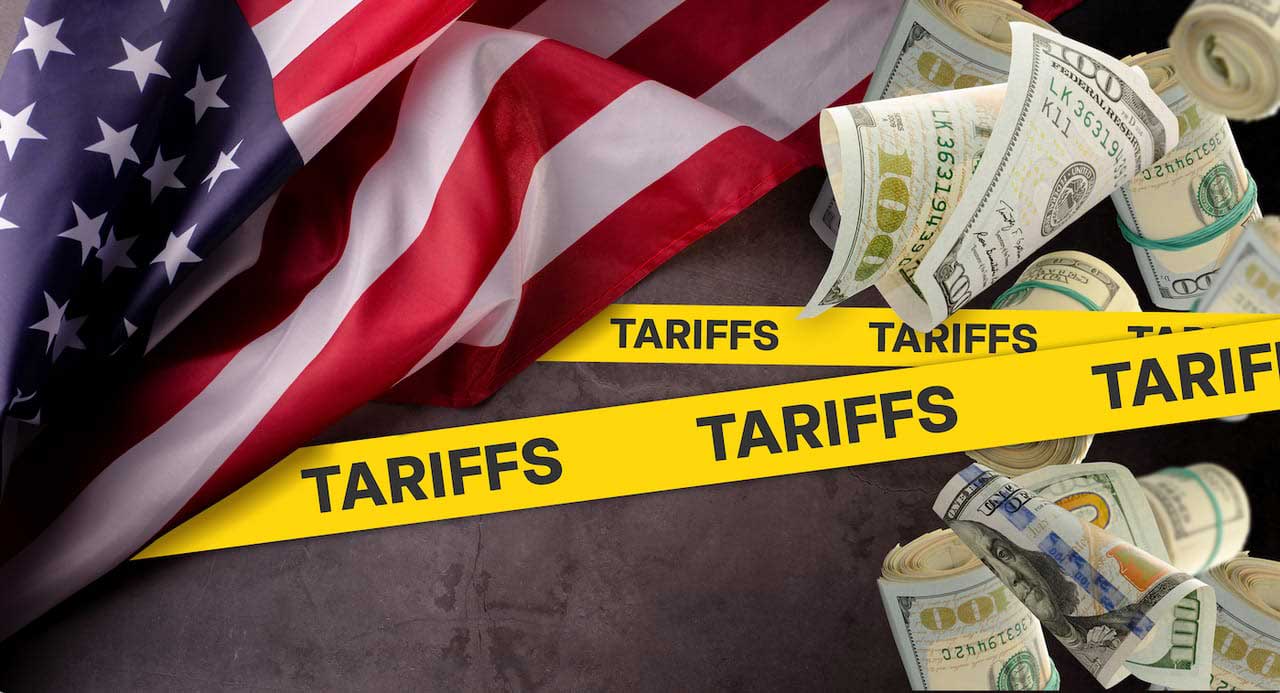
Financiamiento político, al debate (Political financing, up for debate) – The political organizations that meet the requirements established in the Código de la Democracia have the right to receive a part of the Fondo Partidario Permanente (Permanent Party Fund) which since 2009, has exceeded $5 million in each election. If “yes” wins the 2nd question of the Referendum, these funds will be eliminated.
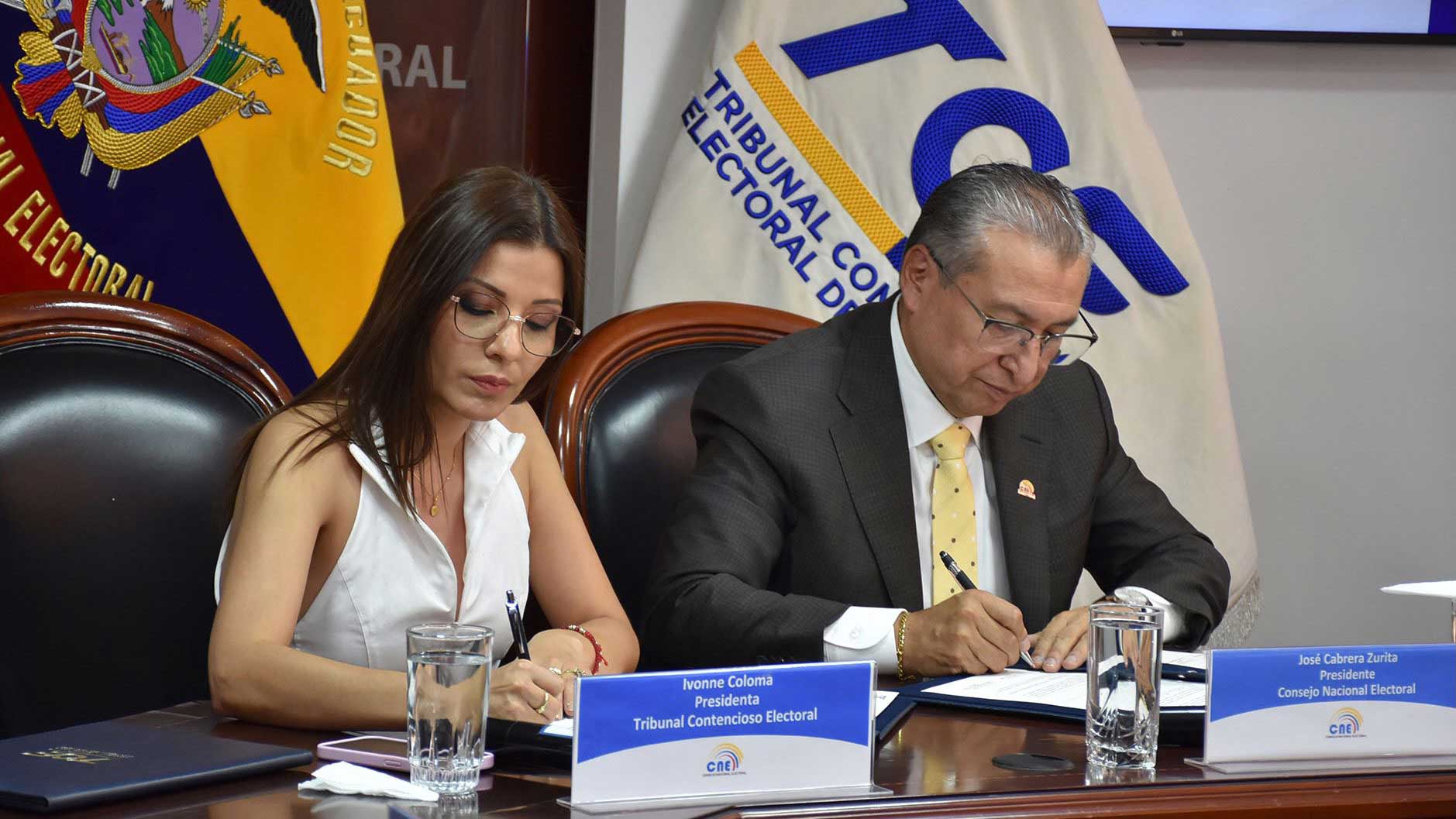
According to the Ley Electoral, in order to receive public funding, national political organizations (currently 17) must achieve the following: receive at least 5% of the valid votes in 2 consecutive pluripersonal elections, elect 3 Assembly members, and 8% of the mayors or 1 councilmember in 10% of the cantons. Diana Atamaint, president of the Consejo Nacional Electoral (CNE), reported that since 2009 when the Fund was used for the first time, the country has spent $81,834,000 to benefit political organizations. <Compare this with campaign spending for the most expensive Senate race – 2024 in Ohio – $423,482,704 which includes spending by the candidate and outside donors.>

Should the government pay for political campaigns? That is question 2 in Sunday’s national referendum election,
For Medardo Oleas, the reason the Permanent Party Fund should be eliminated is misuse by political organizations. The parties have invested the least in training their political staff and affiliates, even though that is the purpose of this money. The Código de la Democracia says that 50% of what parties and movements receive from the Permanent Fund should go to the training of new leaders and their affiliates with the rest being used for publications, investigations and institutional functioning <operating expenses?>, the last of which should not exceed 30%. A study by the Ciudadanía y Desarrollo found that between 2020 and 2023, the Fund gave $17 million to 11 political organizations that did not comply with the law, since almost all of them spent more than 30% on institutional functioning. Some of the expenses found by the foundation included a vaginoplasty surgery, medicines, payments of traffic fines, and others.
Even though he agrees that organizations have misused the funds, electoral expert Alfredo Espinosa said that the CNE is responsible for deficiencies in controlling these funds and he doesn’t believe the solution is to end the funding. The Government, which proposed this question, has not considered the risk of eliminating the Fund. If the parties are not funded by the Government, they could be used by criminal organizations to launder money.
Giovanni Atarihuana, president of the Unidad Popular party supports “No” on the question and believes that eliminating public funding is a step back for democracy in Ecuador since only rich parties could win elections. He feels this is a trick question since the cure is worse than the disease, and it is an antidemocratic reform since it favors the biggest checkbooks who invest in the candidate and later recuperate the money through contracts. <Hey, isn’t that politics as usual in that big democracy to the north? When was the last time you felt like your vote actually counted compared to the money spent by big pharma or insurance or oil interests?>
Bored? –
“Cuenca Pet 2025”, jornada dedicada a todas las mascotas (“Cuenca Pet 2025,” a day dedicated to all pets) – <I bet my little pill bug or rolypoly terrarium isn’t represented.> The “Cuenca Pet 2025” feria will be at the Hotel Oro Verde on el 15/11. The feria will open a las 8:00 with the Social Run, a race for owners and pets on a recreational circuit. Starting at 9:00, there will be contests, talks, and exhibits related to responsible ownership and animal health. Dog contests include the tallest dog, smallest, most gluttonous, oldest, best trick, looks most like the owner, and most original costume <The only time I tried putting one of my dogs in a costume he ate his way out of it during an unsupervised 10 minutes>. The cat contests are for the biggest, furriest, and best costume. The event will also have educational talks on nutrition, health, behavior, and care. A commercial ‘pet friendly’ fair will have products, services and novelties for pets. <Just make sure your dog doesn’t steal all the products in the doggy snack display booths.>
Inauguran festival de Artes Vivas (Live Arts Festival opens) – The 10th edition of the Festival Internacional de Artes Vivas de Loja will open el jueves, 13/11, and run for 11 days with more than 350 artistic presentations by 31 international artists, 30 national, and 60 local talents. The inauguration will be a las 14:30 in the teatro Benjamín Carrión with the Orquesta Sinfónica de Guayaquil. A las 18:00, the streets in the city center will be the scene for a parade.
Curious? –
Cuenca: canasta básica más cara (Cuenca: most expensive basic basket of goods) – The Canasta Familiar Básica (CFB) in Cuenca costs $865.30 and is the highest in Ecuador according to the octubre, 2025 Índice de Precios al Consumidor (IPC) which is published by the Instituto Nacional de Estadística y Censos (INEC). The IPC is the official measure of inflation in Ecuador, and the calculation includes 9 cities. The CFB includes 73 products. The cost of the CFB in various cities is: $854.33 in Quito, $838.99 in Guayaquil, $848.22 in Manta, $827.47 in Loja, $808.16 in Ambato, $762.52 in Santo Domingo, $801.34 in Machala, and $787.05 in Esmeraldas. According to INEC, costs in Cuenca are $204.30 for rent, $267.87 for food and drink, and $53.26 for clothing. Nationally, the CFB is $823.22 and the Ingreso Familiar Mensual (IFM – Monthly Family Income) is $877.33. <So how do your income and expenses compare? High enough to qualify you as a rich gringo?>