

















Two polls give González a narrow lead over Noboa
Luisa González holds a narrow lead over President Daniel Noboa in two polls released Monday, two weeks before the April 13 presidential run-off election. Noboa led González in the February 9 election, but by less than 17,000 votes.
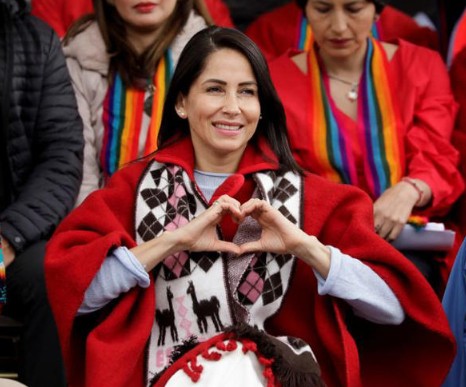
Luisa González
According to the Negocios & Estrategias poll, González of Citizens Revolution, leads Noboa 51.4% to 48.6%, while a poll conducted by University of the Amazon professor Pedro Cango gives González a 51.9% to 48.1% lead. Both polls were authorized by the National Electoral Council.
Negocios & Estrategias sampled 3,000 voters while Cango polled 5,400.
Four unauthorized polls taken in the past 14 days show González with a 1% to 6% lead.
Based on his and other polls, Negocios & Estrategias’ director Ivan Sierra says the race has tightened in the last 10 to 14 days. “This is something I expected and believe the trend will continue until the election,” he said. “There is still time for the candidates to make proposals that will boost their numbers but there is also time for them to make mistakes. Based on the past three elections, I expect a very close finish.”
Political columnist and former pollster Pamela Troya believes González has a “slight advantage” at this point, but says she is suspicious of all polls. “If there is one thing we have learned over the past 10 years, it is that the polls are usually wrong,” she said.
“In the last Noboa-González election, seven out of the eight polls I followed were outside their error margin,” she said. “Two polls missed the election by an amazing 15% and three others were off by 7% to 8%. There is a good argument that the polls are so bad that they should simply be ignored.”
She added that the Negocios & Estrategias and Pedro Cango polls miscalculated the February 9 election results by 6% and 8% respectively. “Both of these put González far ahead of Noboa and, of course, both were wrong.”
Troya is sympathetic to the difficulties pollsters face in Ecuador. “I was a poll-taker myself and understand this,” she says. “Like others in Latin American, the Ecuadorian population is very hard to gauge in terms of sentiments and opinions. The number of people who are ideologically aligned to the political left, right or center, is much smaller than in Europe and North America. Voters are easily swayed by personalities and the day-to-day circumstances and more likely to change their vote at the last minute.”
She adds: “Sometimes, it seems like a toss of the coin is as reliable as the polls.”



Hogar Esperanza News

The Cuenca Dispatch

Week of September 20
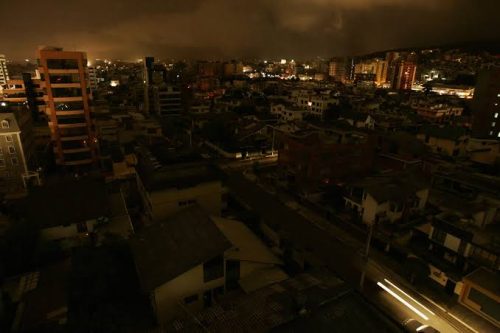
Ecuador turns to industrial power cuts to protect Mazar and keep homes from going dark.

Ecuador raises its 2026 growth forecast, but El Niño could spoil the outlook next year.
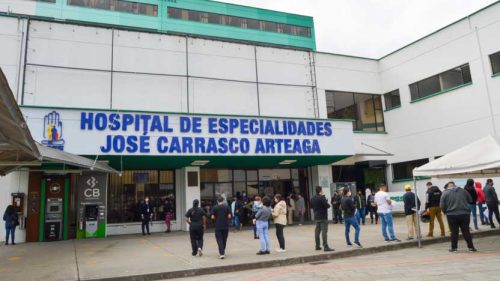
Cuenca retirees challenge medical and therapy changes at IESS senior center.
Fund Grace News

Fabianos Pizzeria News
