
















Two years after voters ordered an end to Yasuní oil production, only 10 of 247 wells have been shut down
More than 200 members of the Waorani indigenous nation gathered last Wednesday at the Constitutional Court to protest the government’s failure to comply with the results of a popular referendum ordering the closure of oil wells in Yasuní National Park.
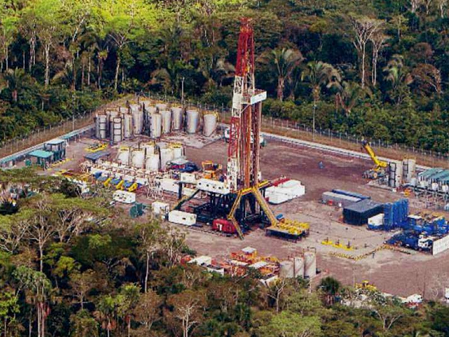
An oil production facility in Yasuní National Park.
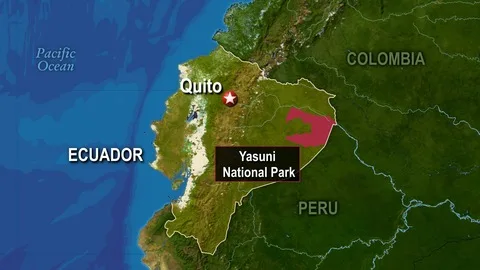
Located in Ecuador’s northeastern Amazon region, the park is one of the most biodiverse places on the planet, home to more than 2,000 species of trees and other plants, 204 mammals, 610 birds, as well as reptiles, amphibians, and fish. It also shelters two indigenous groups living in voluntary isolation.
In an August 20, 2023, referendum, 59% of Ecuadorians voted to halt oil exploitation in the Ishpingo, Tambococha, and Tiputini areas of Yasuní.
“This is an insult to the Ecuadorian people,” said Juan Bay, president of the Waorani nation. “Two years have passed and only 10 of the 247 wells in Yasuní have been closed.”
According to Bay, the referendum marked the culmination of decades of struggle by Indigenous communities, environmentalists, youth groups, and other organizations to protect the park from oil exploitation. “It corrected the betrayal of [former president Rafael] Correa who claimed he would preserve the territory but then opened it to oil drilling.”
Following the referendum, the Constitutional Court set a deadline of August 20, 2024, for the total closure of oil production in Yasuní. The government claimed, however, it was unable to comply with the schedule, claiming a shutdown of all wells within a year would cause environmental damage and that the process required more personnel and more funding than was available.
 Some government officials claimed a full shutdown of Yasuní production would lead to an “economic disaster” for the country.
An estimated one tenth, or about 44,000 barrels per day, of all oil produced in Ecuador comes from Yasuní, national oil company Petroecuador says.
The environmental collective Yasunidos, which includes indigenous groups, released a statement claiming the government has “invented excuses, procedures and other bureaucratic obstacles to complying with the will of the people.”
“This inaction is not a mistake,” the statement continues. “It is a deliberate strategy of institutional defiance against popular sovereignty.”
International groups, including the United Nations Human Rights Office and Human Rights Watch have also criticized the government’s five-year plan to dismantle oil production in Yasuní.
In September 2024, the Inter-American Court on Human Rights ruled that continued operations in the oil block violated the rights of the isolated Tagaeri and Taromenane peoples and ordered the State to close all wells by March 2026.



Hogar Esperanza News

Fabianos Pizzeria News

Fund Grace News

The Cuenca Dispatch

Week of September 20
Ecuador turns to industrial power cuts to protect Mazar and keep homes from going dark.
Ecuador raises its 2026 growth forecast, but El Niño could spoil the outlook next year.
Cuenca retirees challenge medical and therapy changes at IESS senior center.