












Apology made to workers who lived under ‘modern slavery’ conditions on a Japanese-owned plantation
Ecuador’s government issued a public apology on Saturday to a group of plantation workers who were subjected to slave-like conditions according to a ruling issued last year by the country’s Constitutional Court.
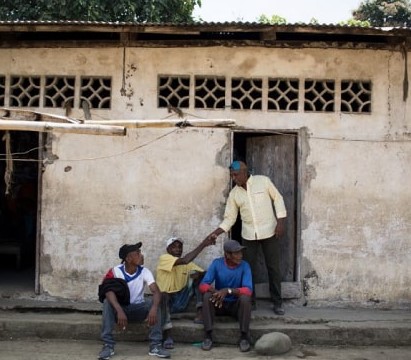
Workers outside a Furukawa plantation housing unit in 2017.
In an event held near the presidential palace in Quito, various members of Ecuador’s Cabinet recognized that more than 300 workers of a Japanese-owned abaca plantation were forced to live in conditions of “modern slavery” with Labor Minister
Ivone Nuñez pledging that Ecuador will strive to “build a state that guarantees the human rights of workers.” The apology issued by government officials is one of the reparation measures ordered by the court last year.
In her comments, Núñez said the government was not apologizing because it was ordered to by the court. “This is right thing to do, morally and ethically, and it should have been done years ago,” she said.
She added that a plan is being developed to compensate Furukawa workers for the conditions they were forced to work under. “There will be reparations as well as other assistance to those who suffered under inhumane conditions.”
In the ruling, the Constitutional Court determined that between 1963 and 2019 workers of the Japanese company Furukawa were forced to live in dormitories without basic services at a plantation in western Ecuador, where accidents were common due to the lack of safety training.
Former employees of Furukawa attended Saturday’s ceremony along with their lawyers, who have accused the company of not paying reparations to the workers who were affected by the harsh conditions at its plantation in Santo Domingo de los Tsachilas province.