
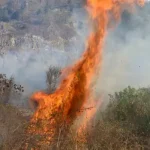
















Imbarura is peaceful but strike deal falls apart; Diesel sales drop by half in Imbabura after price hike; Guayaquil car bombing linked to Imbabura mining
Although there were no clashes between indigenous protesters and government forces Thursday, a deal to end the strike in Otavalo appears to have fallen apart. Otavalo Mayor Anabel Hermosa, who helped organize talks Wednesday between local organizations and Interior Minister John Reimberg, acknowledged that other groups disagreed with terms to end the strike, but said she hoped more talks will take place next week.
Several Imbabura groups criticized the talks as “illegitimate” for not representing the positions of all of the provinces’ indigenous sectors. In particular, it said the restoration of the diesel fuel subsidy should be non-negotiable.
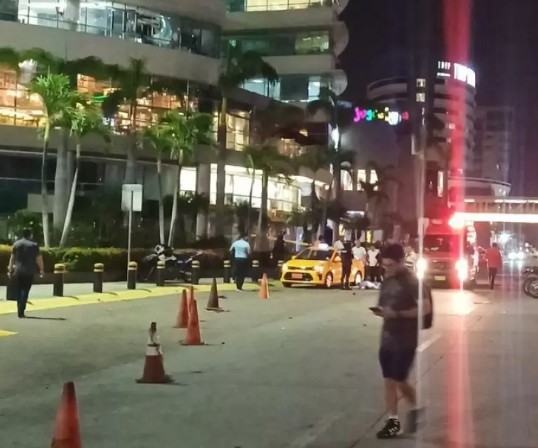
Tuesday night’s car bombing outside the Mall del Sur in Guayaquil resulted in one death and four injuries.
Highway blockages remained in place in several locations and protesters said they would not honor the agreement to remove them. “We remain in permanent strike against the government and will not allow military trucks to pass,” said Carmen Flores, president of the Union of Indigenous and Peasant Communities of Quichinche. Flores added that her group does not recognize the authority of national or most local indigenous leadership.
In total, 11 organizations in Imbabura said they would continue to support roadblocks and other forms of resistance.
Despite lack of support from many of its members, the Confederation of Indigenous Nationalities (Conaie) insisted it be a party to any negotiation with the government to end the strike. “We respect the actions in Imbabura, but we remind our affiliates that this is a national strike called by Conaie and the leadership of this organization must be involved in definitive dialog with the authorities.”
In Azuay Province, the Federation of Peasant Organizations said it was maintaining its opposition to the government.
Diesel sales drop by half in Imbabura after price hike
The government is claiming that a dramatic drop in diesel sales in Imbabura Province proves that criminals were the primary beneficiary of the fuel subsidy. The Energy Ministry reported Tuesday that total diesel sales in the province declined by 58% after the price increased by a dollar a gallon.
“We are encouraged by these numbers because they confirm that most of the fuel was used by illegal miners and smugglers transporting it across the border to Colombia,” the ministry said in a statement. “This confirms our determination to permanently suspend the subsidy.”
According to sales data, diesel consumption dropped in 22 of the country’s 24 provinces during the first month without the subsidy. In addition to Imbabura, it fell by 26% in El Oro, 22% in Santa Elena and 15% in in Manabí.
Government links Guayaquil bombing to Imbabura mining
Interior Minister John Reimberg said Wednesday that a car bomb explosion outside a Guayaquil shopping mall Tuesday night was connected to illegal gold mining in Imbabura Province. “We have evidence that this was an act of terrorists supporting criminal activities at the Buenos Aires mining complex,” he said.
His statement conflicted, however, with the Guayaquil police report linking the bombing to a territorial dispute among drug traffickers in Guayas Province. Police claimed the main suspect was a member of the Los Lobos gang who had been previously jailed but was released last month.



Hogar Esperanza News

Fund Grace News

Fabianos Pizzeria News

The Cuenca Dispatch

Week of September 20
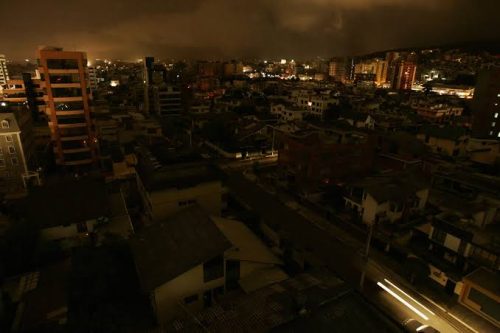
Ecuador turns to industrial power cuts to protect Mazar and keep homes from going dark.

Ecuador raises its 2026 growth forecast, but El Niño could spoil the outlook next year.
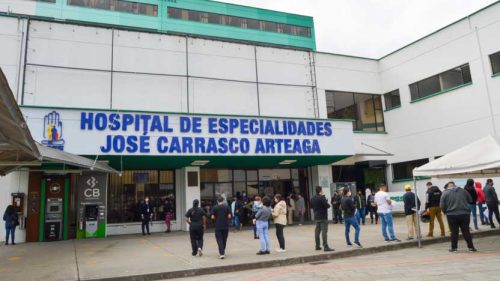
Cuenca retirees challenge medical and therapy changes at IESS senior center.