

















Musk, Zuckerberg, and Altman say the smartphone’s days are numbered, but Tim Cook isn’t so sure
By Arezki. A
Elon Musk, Bill Gates, Mark Zuckerberg, and Sam Altman are signaling the end of the smartphone era. Their vision of the future?: A world dominated by wearable tech and brain interfaces, and augmented reality. But Tim Cook and Apple aren’t ready to surrender the smartphone throne just yet.
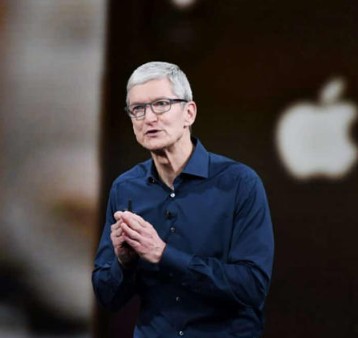
Apple CEO Tim Cook
Brain Chips, Tattoos, and AR Glasses
Elon Musk, through his company Neuralink, is pushing to make smartphones obsolete by creating brain-computer interfaces. These implants allow users to interact with technology using only their thoughts — no screens, no swipes, no physical input. So far, two human subjects, both with severe physical impairments, have already received the implant, demonstrating some early feasibility of the concept.
Bill Gates is exploring a different direction, backing Chaotic Moon and its electronic tattoos. These nanosensor-packed tattoos are capable of collecting, sending, and receiving data. Their potential ranges from health monitoring to GPS tracking and communication, turning the human body into a tech platform.
Mark Zuckerberg, on the other hand, is focused on augmented reality glasses. He predicts these will replace smartphones as the primary computing device by 2030, with AR handling most of the digital tasks we rely on phones for today. The idea is simple: overlay the digital world directly onto your field of vision.
Apple Stands Its Ground
While others push for radical new interfaces, Tim Cook continues to believe in the enduring relevance of smartphones. Apple recently released the iPhone 16, which integrates advanced AI capabilities designed to enhance the overall user experience.
Cook sees smartphones as central to modern life — not something to discard, but something to continuously refine. His focus remains on quality and usability, positioning Apple to improve its devices incrementally while still incorporating future-forward technologies like AR and AI.
Cook also points out that earlier versions of watches and glasses have gained only limited traction among the public, despite claims that they would dominate in the future.
Two Visions for the Future
This divide reveals a deeper split in high-tech philosophy: disruption vs. iteration. Some of the most influential voices in tech are imagining a leap beyond physical devices — replacing them with tools that are worn, embedded, or even implanted. Meanwhile, Apple is betting on upgrading a device that billions already use and understand.
The question isn’t just what comes next — it’s whether society will adopt these bold new tools willingly, or prefer the familiar comfort of the smartphone for years to come.
What Comes After the Smartphone?
While Musk, Gates, Zuckerberg, and Altman promote transformational technologies, real-world challenges still stand in the way — from privacy concerns and ethical implications to market adoption and regulation.
Apple is responding with a different strategy: double down on the present. With each iteration, it aims to keep the smartphone relevant even as the industry flirts with its replacement.
In the end, it may not be a matter of if smartphones disappear, but how — and who leads the transition when they do.
________________
Credit: Indian Defense Review