














People who stay off social media and prefer to stay private typically display these behaviors
By Jordan Cooper
In a world where sharing every coffee, outfit, and opinion online has become the norm, there’s something quietly powerful about people who choose not to participate. They don’t post selfies. They’re not curating a highlight reel. In fact, they often prefer to fly completely under the digital radar.
 But their silence isn’t emptiness — it’s intentional. And if you look a little closer, you’ll notice a pattern of behaviors that reveal why they choose privacy over publicity.
Here are nine subtle traits often displayed by people who avoid social media and value their privacy, according to multiple studies.
1. They form deep, meaningful relationships offline
These individuals tend to have a small circle of trusted friends. Instead of broadcasting updates to hundreds of followers, they’d rather have one real conversation with someone who matters.
They don’t need likes or comments to feel seen. Validation comes from authentic interactions—not digital applause.
In a sense, their social life may seem “quieter,” but it’s often far richer in depth and connection.
2. They observe more than they speak
Ever met someone who doesn’t say much in group settings — but when they do, it’s worth listening to?
That’s often the private type. They tend to take in their surroundings, read the room, and think before they speak. This quiet observation isn’t shyness — it’s discernment.
On social media, this shows up as lurking rather than posting. They might scroll, read, absorb—but they rarely feel the urge to contribute unless something genuinely meaningful calls to them.
3. They have strong internal boundaries
People who stay off social media tend to draw firm lines between their public and private lives. They know that just because something happens doesn’t mean it needs to be shared.



Hogar Esperanza News
The Cuenca Dispatch

Week of September 20
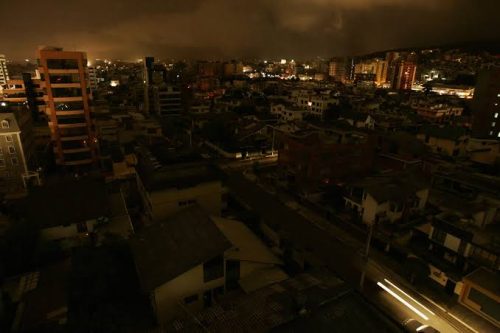
Ecuador turns to industrial power cuts to protect Mazar and keep homes from going dark.
Ecuador raises its 2026 growth forecast, but El Niño could spoil the outlook next year.
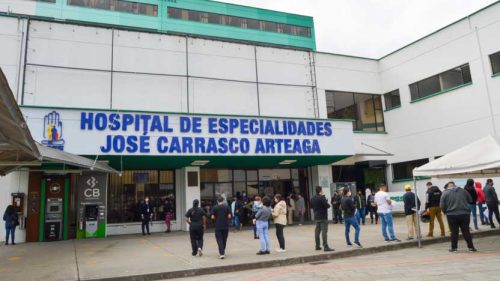
Cuenca retirees challenge medical and therapy changes at IESS senior center.
Fund Grace News

Fabianos Pizzeria News
