













The man who didn’t wave back
By Jeff Van Pelt
Rowan Beckett sat in the same seat every morning — the wobbly plastic chair in front of Panadería San José, the one with the crack in the backrest. He didn’t come for the coffee (burnt, watery) or the bread (too sweet, no crust worth a damn). He came because it was cheap. The pan con queso cost seventy-five cents, the coffee another fifty. For less than a buck and a half, he could buy himself a place to sit and glare at the world.
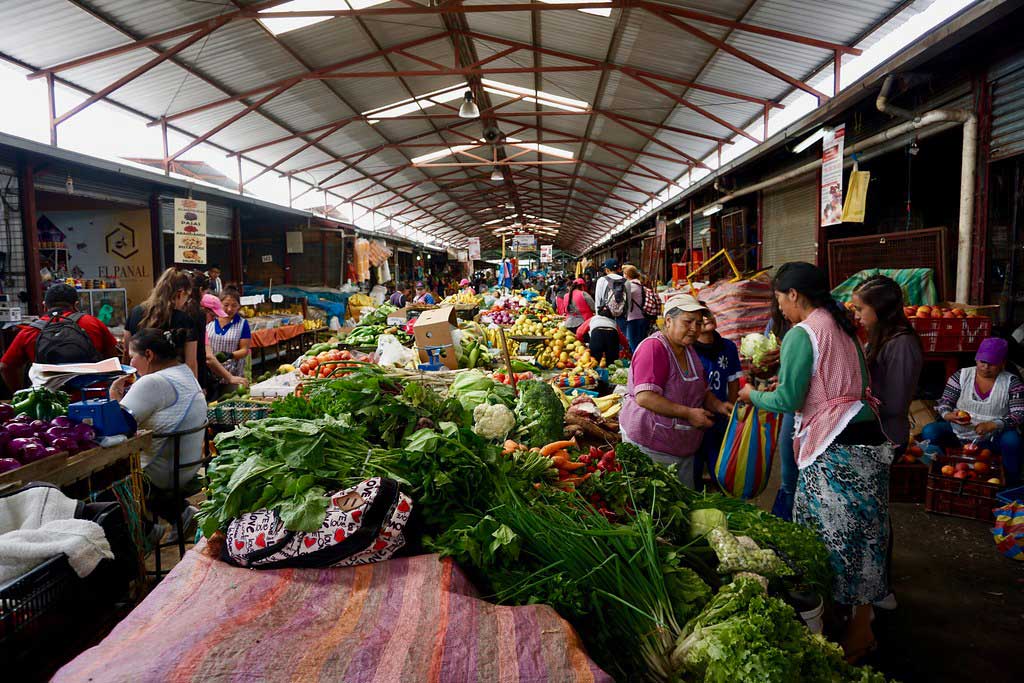
Cuenca’s colonial streets bustled with people Rowan didn’t like — which was almost all of them. Tourists with cameras the size of toasters. Old expat women yammering to each other. Young men on motorcycles blasting tinny music. Everybody seemed determined to live loudly in front of him.
If anyone greeted him, he didn’t wave back. He’d grunt or ignore them outright. If someone pushed further — “How’s your day?” — they got one of his patented verbal swats:
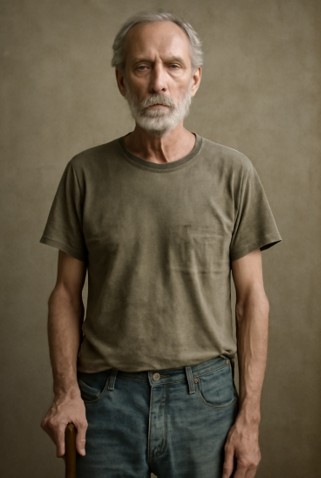 “Still breathing,” he’d say. “Unfortunately.”
He kept to himself in his two-room apartment near Parque Calderón. His only regular conversation was with the old Ecuadorian woman who collected his rent. Even she didn’t linger.
Rowan had a thorny trait — if someone criticized him, even slightly, or disagreed with him about something important to him, he went for the jugular. He attacked their character, their looks, their habits – anything to avoid looking at his own flaws. When a younger expat once told him, “You should smile more; you´d be happier.” Rowan replied:
“And you should talk less. Guess we both have homework.” The man never spoke to him again, which Rowan counted as a victory.
He used a pseudonym on social media to make incognito cantankerous comments. On an article in the local English-language newspaper about how to avoid being the target of crime, he commented, “Sounds like a tired old gringo who doesn´t get out much anymore.”
And then there were the expats. God, the expats. Retired Americans and Canadians who wore hiking sandals with socks and called themselves “world travelers” because they could order a beer in Spanish.
“Morning, Rowan!” chirped Susan from Minnesota, pausing at his table. She was one of those relentlessly cheerful types who thought everyone was just waiting for a chance to become her friend.
Rowan didn’t look up from his coffee. “Morning, Susan. How’s your mission to turn the world into a Hallmark movie going?”
Her smile faltered. “Oh… fine. I was just saying hello.”
“And I was just answering,” Rowan said, taking a sip. “Have a blessed day or whatever it is you say.”
She walked off without replying.
Another time, at lunch at The Inca Lounge, a gringo watering hole, a tall, smartly dressed man named Julian invited Rowan to join him as the place was crowded. “This is a good place to make new friends” he said.
“New friends?” Rowan snorted. “I don´t need these kinds of friends.”
Julian never spoke to him again.
Rowan saw no problem with this. People were disappointments. He’d learned that decades ago back in Iowa, and Vietnam had carved it into stone.
One Tuesday in September, when Rowan was sitting with his coffee, he heard a screech and a thud, followed by a woman screaming. A boy of about nine had darted between two parked cars chasing a runaway soccer ball. The bus driver braked too late. There was a sickening thump.
Rowan stood, frozen, coffee cup in hand. People screamed. The boy lay still, one sandal twisted off his foot.
A woman — the boy’s mother, Rowan guessed — ran into the street, wailing. She gathered the boy in her arms, rocking, rocking. Blood pooled on the asphalt.
Rowan’s chest tightened in a way that startled him. It wasn’t the sight of blood. He’d seen worse in Vietnam. It was the sound of the mother’s voice — not words, just raw animal grief.
Before he knew it, he’d set his coffee down and stepped toward the scene.
“Somebody call an ambulance!” he barked, though several people were already on their phones. His Spanish was halting, but urgency bridged the gaps. “¡Ambulancia! ¡Rápido!”
A man took off his jacket and pressed it against the boy’s leg, where the blood was pumping hardest. The boy whimpered — a sign he was still alive.
Rowan crouched beside the man and helped hold the pressure. His hands trembled. He hadn’t deliberately touched another human being in years. The boy’s skin was hot and slick under his fingers.
When the ambulance finally came, they loaded the boy inside. The mother climbed in after him, never looking at Rowan. Then the siren faded into the distance.
Rowan realized he was shaking all over.
For the rest of the day, he couldn’t stop seeing the boy’s face. Every time he tried to read or watch TV, it intruded. That small, terrified whimper. The way the mother’s arms had clutched her child like she could keep him from slipping away by sheer force.
He told himself it was pointless to think about it. He didn’t know them. Maybe the kid would be fine. Maybe not. Either way, not his problem.
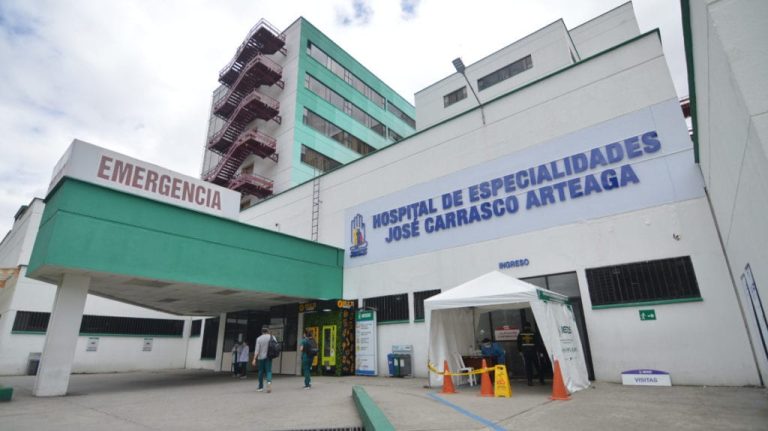
But the next morning, Rowan didn’t go to the bakery. Instead, he walked to the public hospital. It took him half an hour to find the right wing. His Spanish faltered under the fluorescent lights and antiseptic smell, but eventually a nurse understood.
The boy’s name was Mateo. He had a broken leg and a concussion, but he’d live.
Rowan stood in the doorway of the small room. Mateo lay in bed, his leg in a cast, his mother beside him. She looked up when she saw Rowan — puzzled, cautious.
Rowan cleared his throat. “I, uh… was there yesterday,” he said in slow Spanish. “I just… wanted to see if he’s okay.”
The mother studied him for a long moment. Then, unexpectedly, she smiled. “Gracias.”
Rowan felt something uncoil in his chest.
He started visiting once a week. He brought Mateo little things — a bag of candy, a toy car, a book with big, colorful pictures. Mateo didn’t talk much at first, but he grinned when Rowan showed him how the toy car’s doors opened.
One afternoon, the mother offered him coffee in a dented metal thermos cup. Rowan almost refused out of habit. But he took it. It was strong and sweet. He drank it slowly, letting the warmth sink in.
The visits became part of his routine. On the walk home, he found himself noticing things he’d ignored for years — the sound of church bells, the smell of fresh bread from corner bakeries, the laughter of school kids spilling into the plaza.
It unnerved him.
Two months later, when Mateo was out of the hospital, Rowan spotted him and his mother at the park one Saturday. The boy waved.
Rowan — the man who didn’t wave back — lifted his hand and waved too.
The next week, at Panadería San José, an older Ecuadorian man who spoke a little English sat at the table beside him and remarked on the weather. Normally, Rowan would have grunted and turned away. This time, he answered. They ended up talking for twenty minutes.
Rowan even laughed once. It startled him.
He was still a cynical man. Still quick to complain about noise or bad coffee or tourists blocking the sidewalk. But he found himself asking people’s names. Remembering them. Saying hello when he passed them in the street.
And sometimes, when he caught himself sliding back into the old habits, he’d think of a small boy in a hospital bed, smiling at him over the cast on his leg.
Rowan didn’t suddenly love humanity. But he’d stopped trying so hard to hate it.
And that was enough.
_________________
Jeff Van Pelt earned his masters degree in social psychology from New York University and his doctorate in counseling psychology from the College of William and Mary in the United States. He has worked as a psychotherapist, wellness program consultant, and health and psychology writer. Jeff and his wife are retired and have lived in Cuenca since 2013.