
















Why the national ‘obsession’ with Cuenca weather?; Damage of Cajas fires is extensive and recovery will take years; Mining revenue will drop 20% in 2024
Why does the country’s news media focus on the weather in Cuenca and Azuay Province?
“There’s a good reason why we hear so much about the rivers in Cuenca and about the weather in Azuay Province,” said former assistant director of the National Meteorological Institute Gustavo Ramos. “This is the area that, under normal conditions, produces more than half of Ecuador’s electricity. It is also the area suffering the most from the drought,” he said, adding: “This is a very bad combination and has resulted in the power blackouts.”
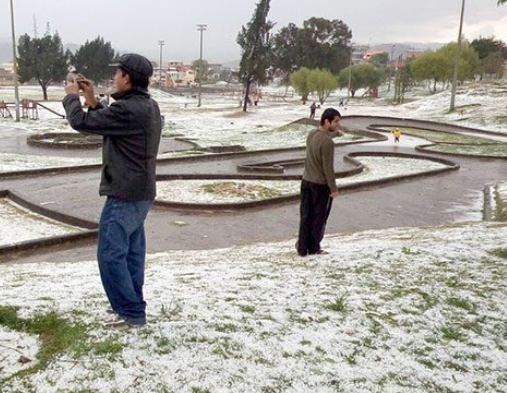
Hail covered the ground in parts of Cuenca and the Cajas mountains as Wednesday afternoon storms passed through the area.
In a Radio Quito interview Wednesday night, Ramos noted that Wednesday morning headlines in Ecuador were about Tuesday’s rainfall in Cuenca and southern Ecuador.
“We all understand that when the drought ends in that area, the blackouts will end,” he said. “There is more good news tonight, as I speak, since more rain is falling there.”
Although the “obsession” with rainfall in Azuay Province is understandable since it powers four large hydroelectric power plants, Ramos says the drought has affected all of Ecuador.
“What is lost in the conversation is consideration for the damage to agriculture, wildlife and community water systems throughout the country,” he says. “Unfortunately, we hear very little about the small farmers who have lost their crops and access to clean drinking water. Yes, the water levels at the hydro plants near Cuenca is important, but we should not forget the suffering being felt in other parts of the country.”
Cajas fire damage is extensive and recovery will take years
“We have suffered very extensive losses that will take years to recover,” Cuenca Mayor Cristian Zamora said Wednesday, referring to forest fires that ravaged the Cajas Mountains. “The fires have been mostly extinguished and last night’s rain has helped but now begins the process of recovering from the destruction.”
Zamora said that more 11,000 hectares in the Cajas mountains, including large areas in Cajas National Park, were affected by wildfires. “We have lost vegetation and wildlife, and some families lost their farmland,” he said. “At the higher elevations, we are told it will take 20 to 30 years to restore the vegetation due to the slow growth rate.”
Of special concern following the fires, Zamora said, is damage to the watershed that serves the city of Cuenca and hydroelectric reservoirs. “The loss of vegetation means the recharge area will hold less water, which affects our rivers, the drinking water supply and the water that flows to the Paute power plants.”
The mayor said his office is organizing a campaign to replant forests destroyed by the fires. “This will be managed by ETAPA and we will ask for community volunteers once the plan is in place.”
Mining revenue will drop 20% due to blackouts
Government income from mining concessions will drop as much as 20% as a result of electric blackouts, Deputy Minister Rebeca Illescas said Tuesday. “We hope the loss will be less but we will not have final numbers until the Central Bank reconciles all the data,” she said
In early November, President Daniel Noboa disconnected the country’s mining operations from the electrical grid, saying that mines should provide their own power.
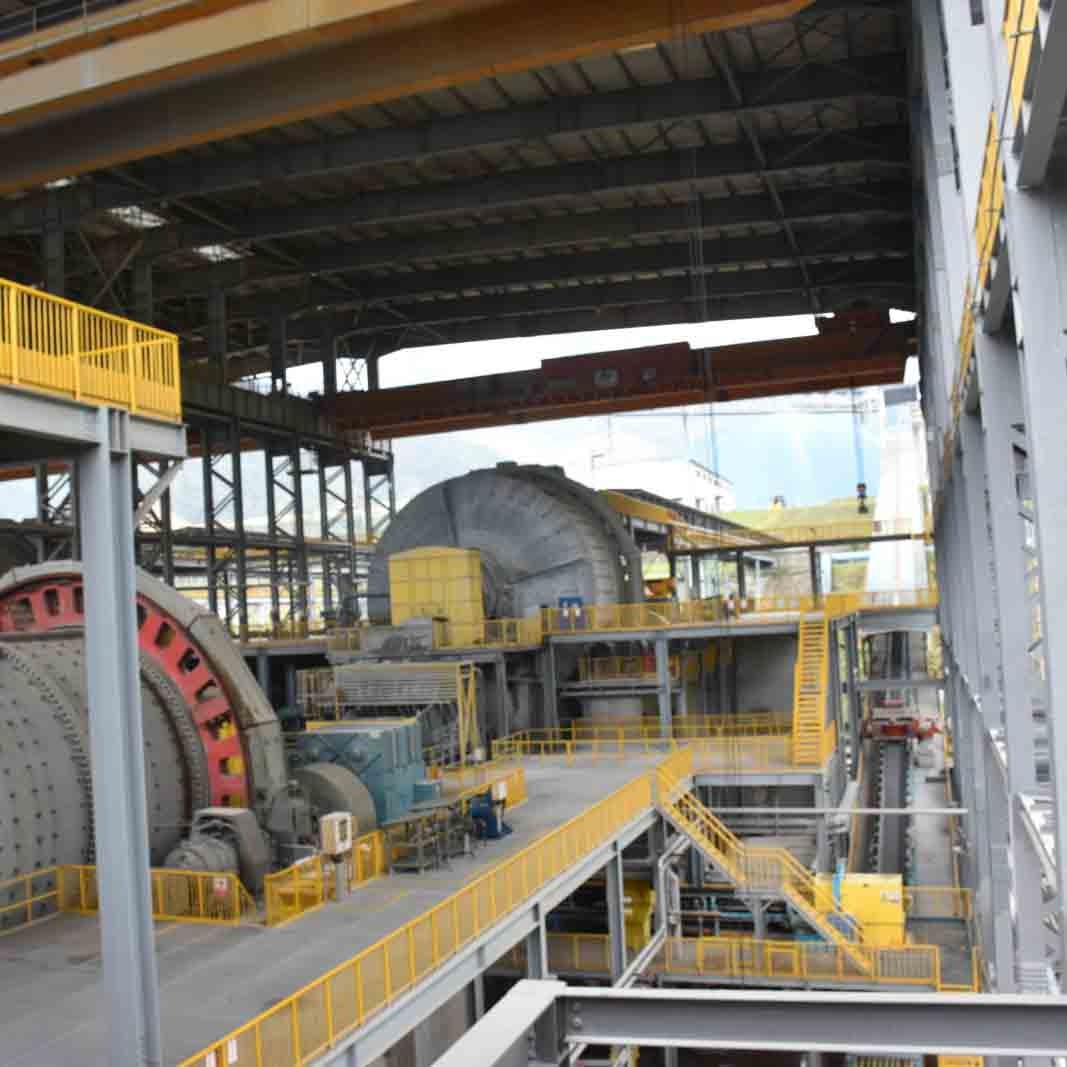
Mirador, Ecuador’s largest mine, shut down all operations for 19 days following Noboa’s order and has operated at less than 50% capacity since mid-November. The open pit copper mine in Zamora Chinchipe Province was consuming almost 90 megawatts of electricity prior to the disconnection.
According to Illescas, the 90 megawatts used by Mirador is enough to power a city of 400,000. “Given the emergency, we needed the electricity for Ecuadorian households,” she said.